The CRINK Threat: Why It Matters Now

Aggressive Cyber Activities
These threat actors are constantly probing, mapping networks, and gathering intelligence that sets a dangerous precedence for what they can get away with.

Persistent, Long-Term Access
While their objectives often aren’t to create immediate destruction, their abilities to establish and maintain a persistent foothold for future operations presents a startling risk.

Focus on Critical Infrastructure
They consistently target organizations in sectors like energy and water utilities, banking, telecommunications, and healthcare where a successful breach would have a significant impact.

Ability to Evade Enterprise Defenses
The SafeBreach 2026 State of the Breach Report shows stealthy identity-driven campaigns like those of the Russian GRU consistently evade even the most mature enterprise defenses.
CRINK Nation-State Threat Actors: The Big Four

Focused on global economic and technological superiority. They utilize living off the land (LOTL) techniques to blend into legitimate traffic, seeking deep, persistent access for intellectual property theft and espionage.
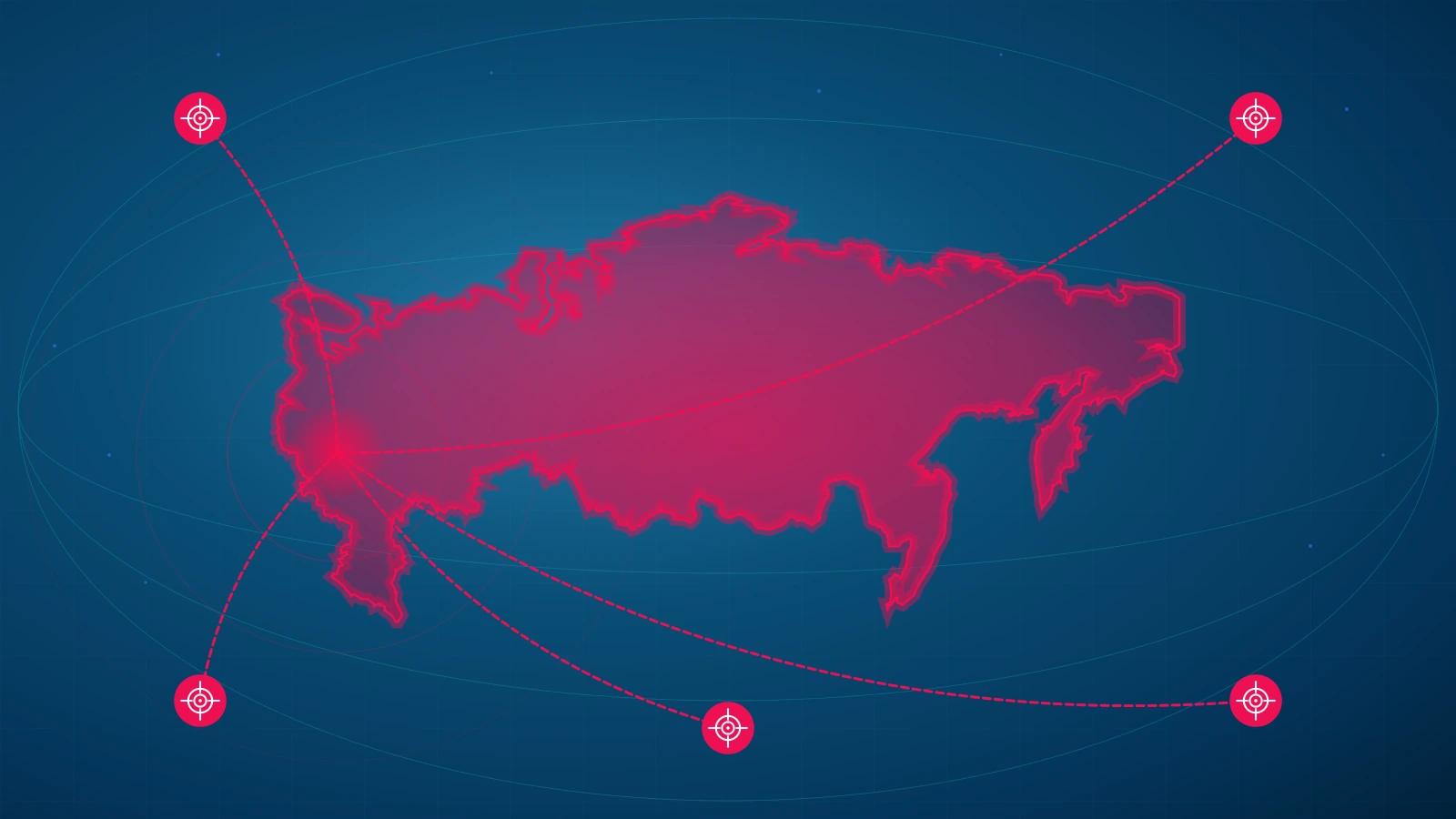
Focused on destabilizing Western alliances and eroding social cohesion. They use a blend of disinformation and destructive “wiper” malware to target energy grids and government systems to cause maximum chaos.
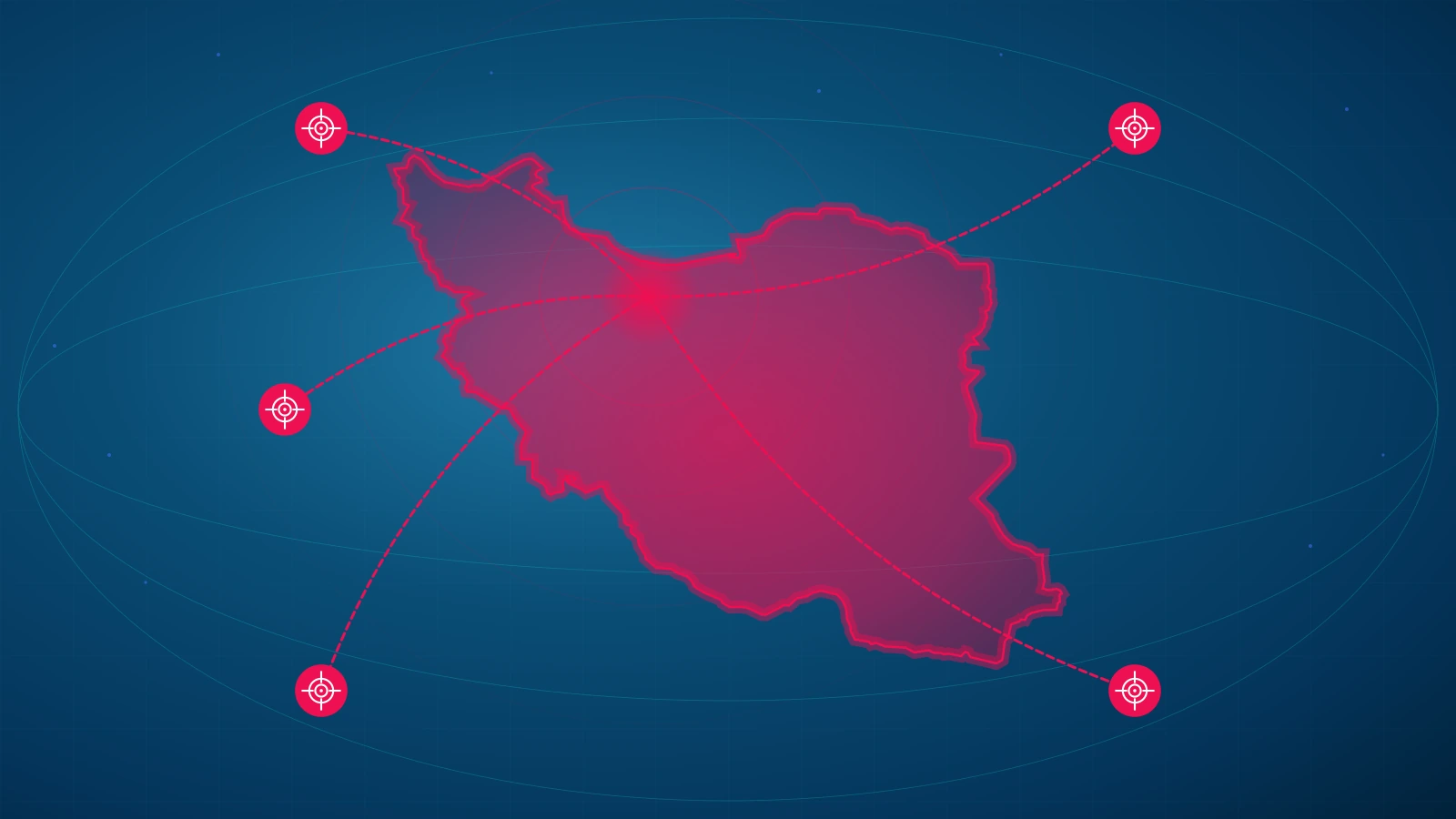
Focused on regional dominance and deterring sanctions. They are known for destructive probing, ransomware, and targeting industrial control systems (OT) in critical infrastructure.
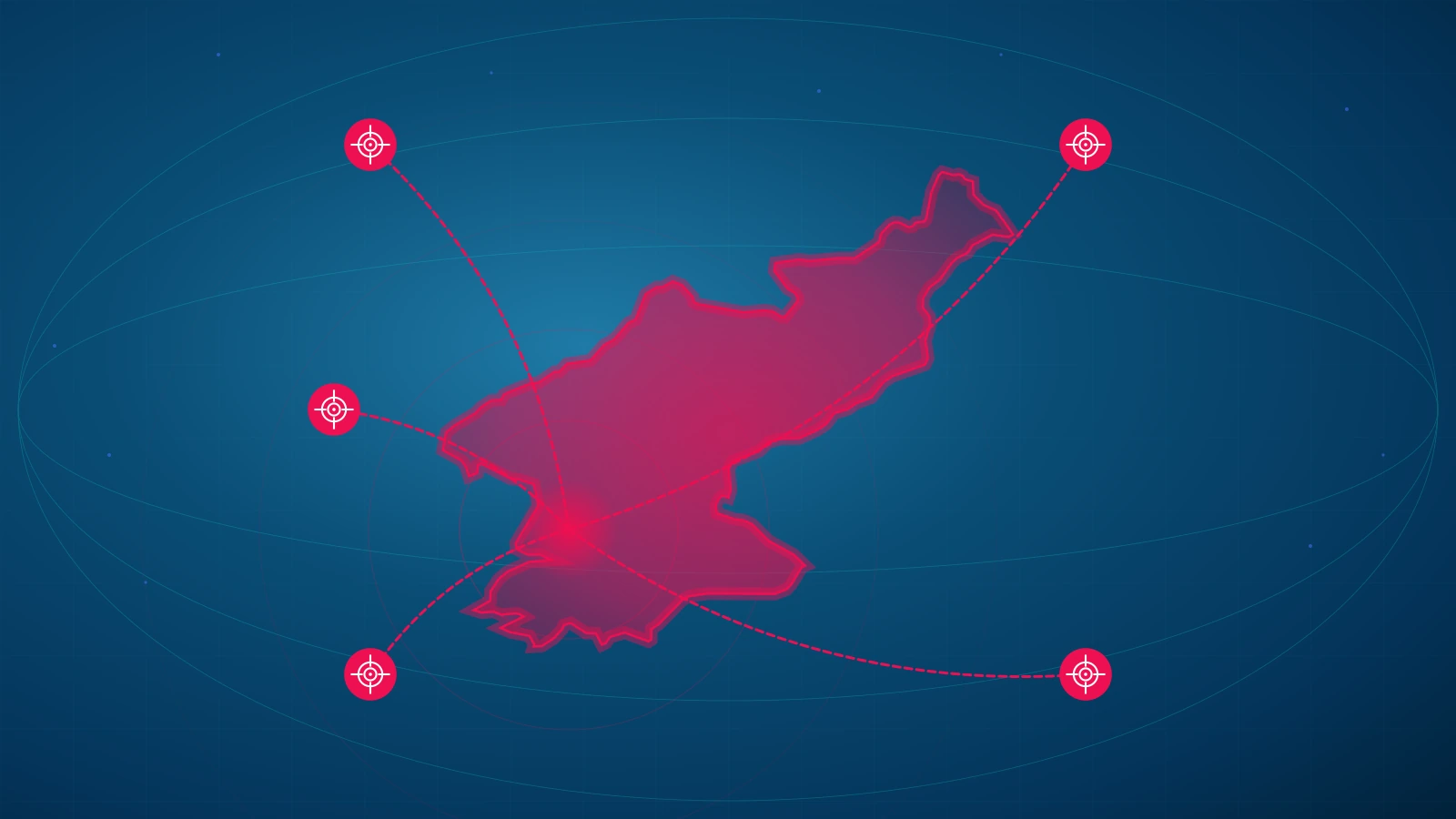
Focused uniquely on regime survival and funding weapons programs. They specialize in sophisticated cryptocurrency theft and global banking intrusions.
Frequently Asked Questions
CRINK is an acronym used in cybersecurity to refer to the four most active nation-state cyber adversaries: China, Russia, Iran, and North Korea. While their motivations and tactics differ, these countries are grouped together because they consistently participate in sophisticated cyber operations targeting Western governments, critical infrastructure, and private enterprises.
Each country has distinct specialties: China focuses heavily on intellectual property theft and long-term espionage; Russia is known for disruptive and destructive attacks alongside influence operations; Iran emphasizes retaliatory and disruptive strikes against regional adversaries; and North Korea pursues financially motivated cybercrime to fund the regime.
Common techniques across all four include spear phishing, supply chain compromises, zero-day exploitation, and abuse of legitimate credentials. Increasingly, these actors blend espionage with pre-positioning on critical infrastructure to enable future disruption.
Primary targets include government agencies, defense contractors, energy and water utilities, financial institutions, healthcare systems, telecommunications providers, and technology firms with valuable intellectual property. In recent years, small and mid-sized businesses in supply chains have become high-value entry points for reaching larger strategic targets.
Given the persistent and aggressive activities of these nation-state actors, a “wait and see” approach to cybersecurity is a recipe for disaster. To confront these sophisticated threats, organizations must move away from static, point-in-time testing and embrace a dynamic, continuous validation posture that incorporates breach and attack simulation (BAS) and adversarial exposure validation (AEV). These technologies allow organizations to use well-known information about the threat actors’ TTPs to continuously validate defenses.